
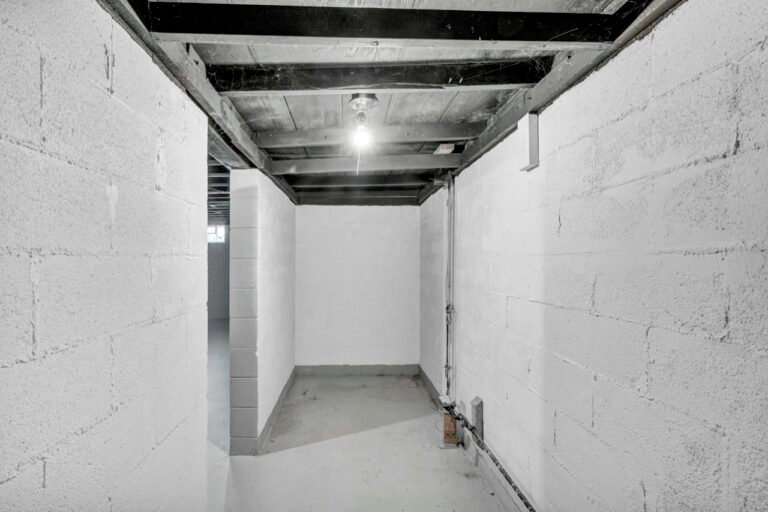
What Causes Sewer Backups in a Basement (and How to Prevent Them)
Why sewage backs up through a basement floor drain: roots, grease, bellies, broken pipe or a city main blockage. How to fix and prevent it.
A basement sewer backup usually means something is blocking the sewer line between your house and the city main, such as tree roots, grease and wipes, a sag (belly) or a broken pipe, so wastewater has nowhere to go but back up through the lowest drain in the house. Sometimes the blockage is in the city’s main instead, which is the likely cause when several neighbors back up at once. The fix is to clear the line, find the cause with a camera, repair the defect, and consider a backwater valve if your basement has plumbing fixtures.
Call (970) 999-1365 if sewage is backing up now; active backups are scheduled first.
Call nowWhy sewage comes up through the basement floor drain
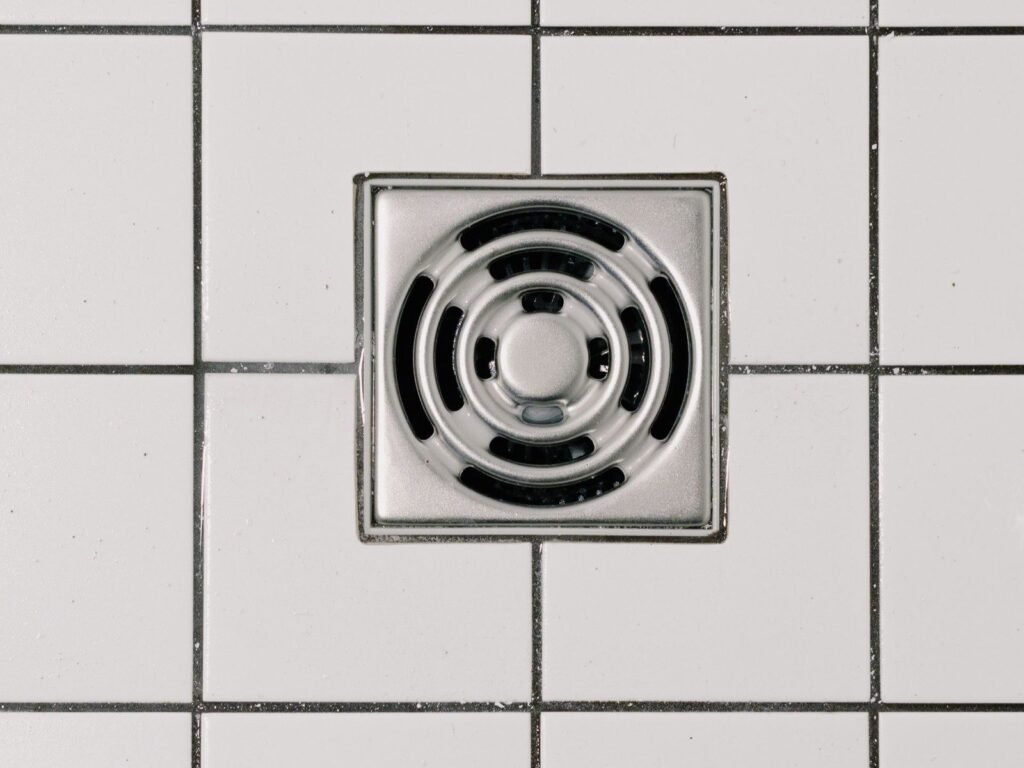
Every drain in your house feeds one building drain, which leaves the house as the building sewer (also called the lateral) and runs to the city main in the street. When that line is blocked, water from every sink, tub, toilet and washing machine still flows downhill until it reaches the blockage. Then it backs up and spills out of the lowest opening.
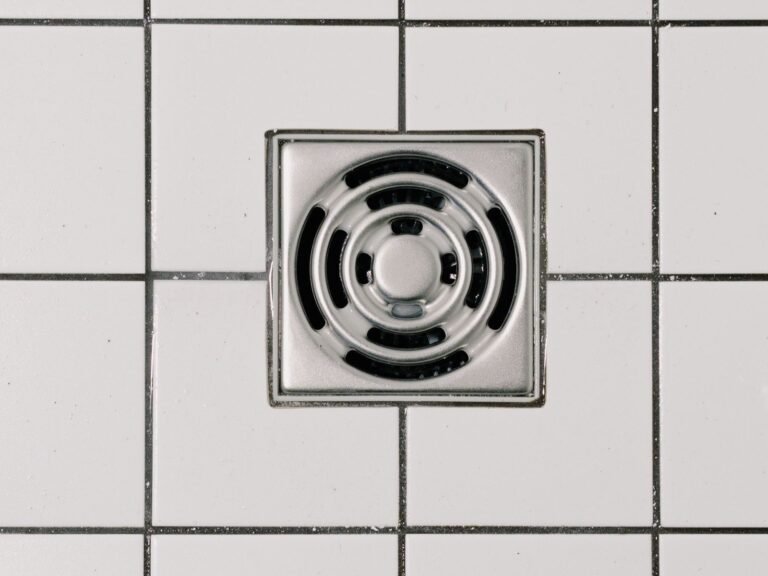
In most homes that is the basement floor drain. A basement shower, tub or toilet can overflow too, and a toilet may gurgle or bubble when another fixture drains. Water around the floor drain after laundry or a long shower, a sewage smell in the basement, or several slow drains at once are early warnings that the main line is partly blocked.
What causes sewer backup in a basement
A clogged sink is a local problem. A backup at the lowest drain points to the main sewer line, and these are the usual causes.
Tree roots
Roots find the moisture at cracks and at the joints of vitrified clay pipe, grow inside and form a net that catches paper and waste. Fort Collins and Loveland have many mature trees over older lines: about 31% of Fort Collins homes and 34% of Loveland homes were built before 1980 (U.S. Census Bureau, ACS 2024 5-year estimates), and many still have clay or cast iron sewer pipe. Roots grow back after cleaning unless the damaged joints are lined or replaced.
Grease, wipes and paper
Cooking grease cools and sticks to the pipe walls. Wipes, including ones sold as flushable, paper towels and feminine products do not break down the way toilet paper does. Together they build a plug, especially in cast iron pipe that has scaled and roughened on the inside.
Bellies and sags
A belly is a low spot where the pipe has sunk, often because the soil under it settled or moved. Water and solids sit in the sag instead of flowing on, and the line slowly fills. The Colorado Geological Survey calls expansive soil Colorado’s most significant geologic hazard and lists damage to sewer lines, and swelling and shrinking clay is a common cause of sags here.
Broken, offset or collapsed pipe
Joints that have shifted apart leave a lip that catches waste. Cracked pipe lets in soil and roots. Orangeburg fiber pipe, commonly installed from the 1940s to the early 1970s, deforms as it ages, and a collapsed section can stop flow completely.
A blockage in the city main
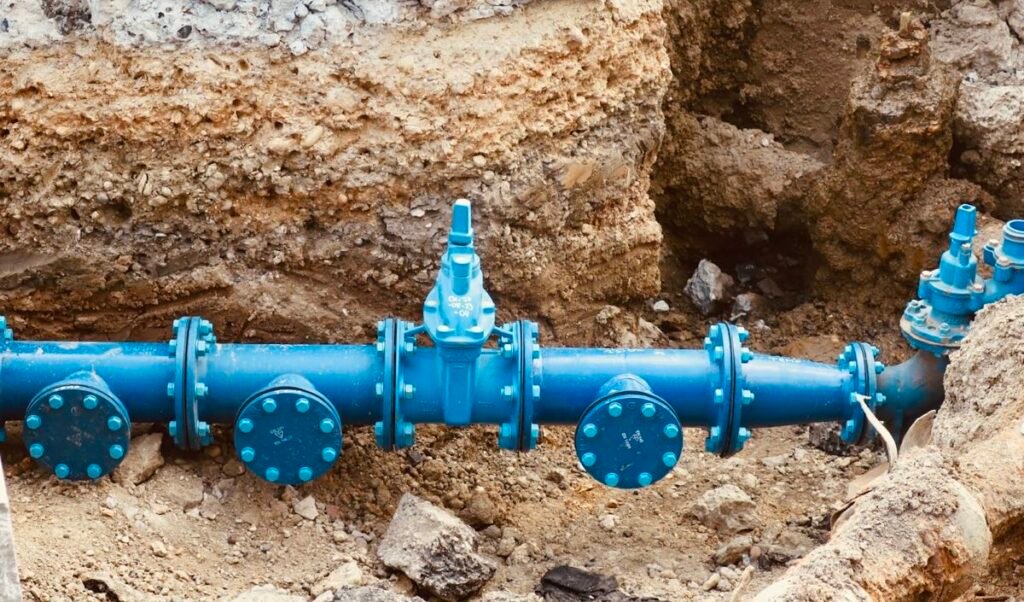
Sometimes the problem is not your line at all. When the main in the street is blocked, sewage can back up into the homes connected to it. The clearest sign is several neighbors backing up at the same time.
Laundry surges
A washing machine empties a large volume of water in a short time. A healthy line carries it away; a line narrowed by roots, grease or a sag cannot, so the surge comes up through the floor drain. A floor drain that backs up only on laundry day is often the first warning of a partial blockage.

Is the backup in your line or the city main?
Who fixes it depends on where the blockage is, so check that first.
- Several neighbors backing up at once: the main is the likely cause.
- Only your house, especially during laundry or showers: the blockage is most likely in your own line.
In Fort Collins, call Fort Collins Utilities at 970-221-6700 first so they can check the main. If the blockage is in the city’s main, the city clears it and pays for janitorial cleanup of the affected area. If it is between the house and the main, the property owner pays for cleanup and repair, including any street or driveway damage, because the owner maintains the service line from the home to the main.
Elsewhere, call your utility or district. Loveland Water and Power maintains Loveland’s sewer mains, Windsor Public Works is at 970-674-2400, and the Boxelder Sanitation District serves parts of Fort Collins, Windsor, Severance, Timnath and unincorporated Larimer and Weld counties.
How to fix a sewer backup: first steps
- Stop running water. No flushing, laundry, dishwasher or showers until the line is clear.
- Stay safe. Keep children and pets away, do not touch outlets or appliances while standing in water, and ventilate if you smell sewer gas. Do not pour drain chemicals into a backed-up drain: they rarely reach a main line blockage, they can splash back, and mixing products can release toxic fumes.
- Call your utility to check the main.
- Clear the line and find the cause. If the main is flowing, the blockage is in your service line. We clear it, usually from the cleanout, with a cable machine or a hydro jetter, then run a camera through the line to see why it happened. Clearing a stoppage needs no permit in Fort Collins.
- Document the damage with photos and video before cleanup, and call your insurer early.
Our sewer backup checklist covers cleanup in more detail. For urgent help, see emergency sewer repair. If you want to try clearing a main line clog yourself, read how to clear a main sewer line clog first for the safety steps.
How to prevent sewer backup
Backwater valve installation
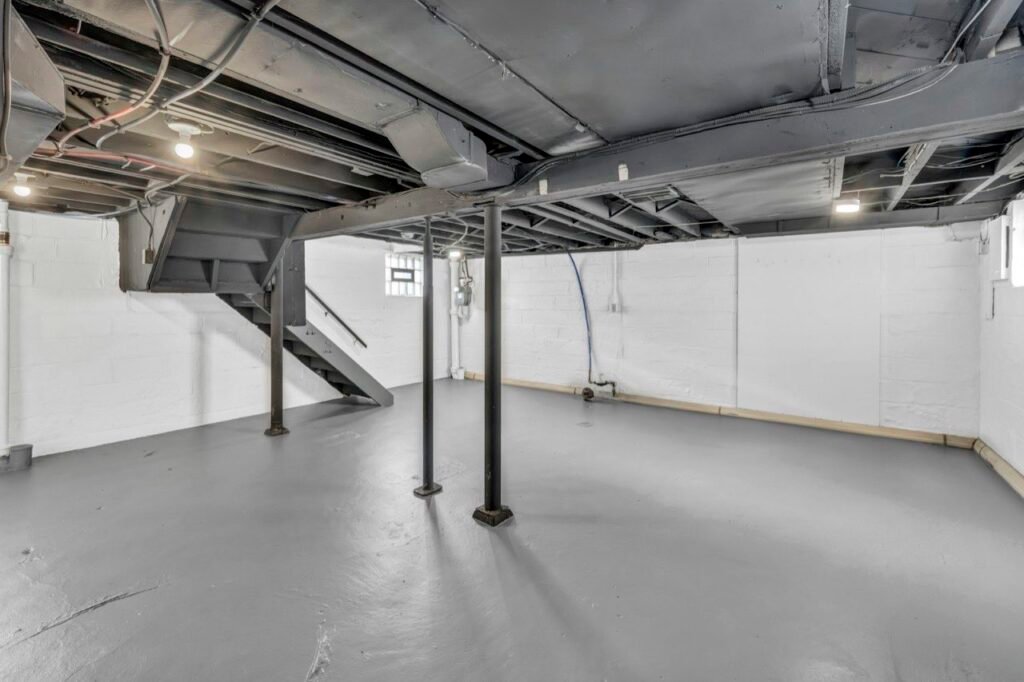
A backwater valve is a one-way valve on the building sewer. A flap lets wastewater flow out to the main and swings shut if sewage starts flowing back toward the house, so a blocked or overloaded city main cannot push sewage up through your basement drains.
It is worth considering if your basement has a floor drain, bathroom or laundry, if your home has backed up from the main before, or if the basement is finished. Plumbing codes commonly call for one where fixtures sit lower than the nearest upstream manhole cover on the main.
Know its limits. It does not stop a clog in your own line, and while the flap is closed, water you run in the house has nowhere to go, so stop using water during a main backup. Installation usually means cutting into the line, often through the basement slab or in a pit outside, and the valve needs periodic checks so debris does not hold the flap open.
Regular sewer line cleaning
If the camera shows roots or grease, scheduled sewer line cleaning keeps the line open. A cable machine cuts through roots, and hydro jetting scours grease, scale and roots from the full pipe wall. Angi puts hydro jetting at about $475 on average, with most homeowners paying $350 to $600.
A camera inspection
A sewer camera inspection shows roots, bellies, offset joints and cracks before they cause a backup, and tells you whether cleaning is enough. This Old House puts it at about $100 to $500.
Fixing the defect
Cleaning treats the symptom. Lining, pipe bursting, a spot repair or replacing the bad section fixes the cause. Any digging starts with an 811 call so buried utility lines are marked, and we request the locates and pull the permits. More on sewer line repair in Fort Collins.
Watching what goes down the drain
- Grease, oil and fat: let it cool and put it in the trash.
- Wipes of any kind, even ones labeled flushable.
- Paper towels, feminine products and dental floss.
- Coffee grounds and food scraps.
Does insurance cover a basement sewer backup?
Usually only with the right endorsement. Homeowners policies commonly exclude sewer backup damage unless you added a water backup endorsement, and they usually exclude repairs to a pipe that failed from wear, tear or roots. Some insurers sell a service line endorsement for buried lines. Keep the camera video and invoice, since insurers often ask for proof of the cause. Read more on homeowners insurance and sewer line replacement.
Basement sewer backup FAQ
How do you fix a sewer backup?
Stop using water, call your utility to check the main, then have the line cleared with a cable machine or hydro jetter. A camera inspection afterward shows what caused it, so the defect can be repaired instead of cleared again and again.
Why does my basement floor drain back up when I do laundry?
A washing machine sends a lot of water down the line at once. If roots, grease or a sag have narrowed the line, the surge comes up through the lowest drain, usually the floor drain.
Who pays for a sewer backup in Fort Collins?
If the blockage is in the city’s main, Fort Collins Utilities clears it and pays for janitorial cleanup of the affected area. If it is between the house and the main, the owner pays for cleanup and repair.
Does a backwater valve prevent all sewer backups?
No. It stops sewage from the city main from flowing back into the house, but it does not clear or prevent a clog in your own line.
Can I use drain cleaner on a backed-up floor drain?
It is not recommended. Chemical drain cleaners rarely reach a main line blockage, they can splash back, and mixing products can release toxic fumes. Stop using water and call for help instead.
Keep reading
Related guides
How to Clear a Main Sewer Line Clog (and When to Call a Pro)
Signs the clog is in your main sewer line, how to open the cleanout and snake it safely, what not to pour down it, and when to call a pro.
Read guide
Tree Roots in Your Sewer Line: What Dissolves Them and What Actually Works
Copper sulfate and foaming root killers slow regrowth but do not fix the cracked pipe. What works for roots in sewer lines, and what it costs.
Read guide
Frozen Water Line? How Deep Lines Are Buried in Northern Colorado and How to Thaw Them Safely
Thaw a frozen pipe safely: open the faucet, use gentle heat, never a flame. Plus burial depths, the frost line and when to call for help.
Read guideSewer or water line trouble?
Call to clear a backed-up line and find out what caused it.
Camera inspection first, written and itemized quotes, and trenchless options where they fit.

Sewer and water line repair for Fort Collins, Loveland and Larimer County. Camera inspection first, written and itemized quotes, licensed sewer technicians.
Call (970) 999-1365