

Sewer Scope Inspection in Fort Collins & Loveland
Know what is under the yard before you buy: video of the whole sewer line and a written summary.
- Camera inspection first
- Written, itemized quotes
- Licensed and insured
A sewer scope inspection sends a camera through the sewer line between a house and the public main, so you can see roots, cracks, sags or broken pipe before you buy instead of after. A standard home inspection does not look inside that line, and once you close, repairing it is usually your bill. Fort Collins Sewer Line Repair provides sewer scope inspections for home buyers, sellers and their agents in Fort Collins and Loveland, with the full video and a written summary.
Call (970) 999-1365 to book a sewer scope inside your inspection period.
Call nowAlready own the home and dealing with slow drains or backups? That is a diagnostic job, covered on our sewer camera inspection page.
Choose your area
Local rules on who owns the line, permits and inspections differ by town. Pick yours:
Why get a sewer scope before buying a house
The sewer lateral, also called the building sewer, is the buried pipe from the house to the public main. A home inspector can run water at the fixtures but cannot see inside it, and responsibility for it usually passes to you at closing. In Fort Collins, the property owner maintains and repairs the sewer service line from the home to the city main in the street, including resulting damage. Loveland Water and Power leaves the connection up to its mains with the customer.
Older homes are the obvious candidates. About 31% of Fort Collins homes were built before 1980 and 9% before 1960; in Loveland the figures are 34% and 11% (U.S. Census Bureau, ACS 2024 5-year estimates). Many still have their original vitrified clay, cast iron or Orangeburg sewer lines. Our Fort Collins and Loveland pages note the neighborhoods where those materials are most likely.
Newer homes have their own failure modes. About 17% of Fort Collins homes and 18% of Loveland homes were built in 2010 or later, and in Timnath the figure is 85%. New PVC resists roots and corrosion, but trench backfill can settle into a belly, joints can pull apart, and construction debris can be left in the line. Fence posts, sprinklers and landscaping damage new lines too. The Colorado Geological Survey says about 10% of new homes built on expansive soils suffer significant damage, and it lists sewer lines among the things that soil damages.
The math favors scoping. This Old House’s 2026 guide puts a camera inspection at about $100 to $500, against an average sewer line replacement of $3,320, with most homeowners paying $1,390 to $5,320.
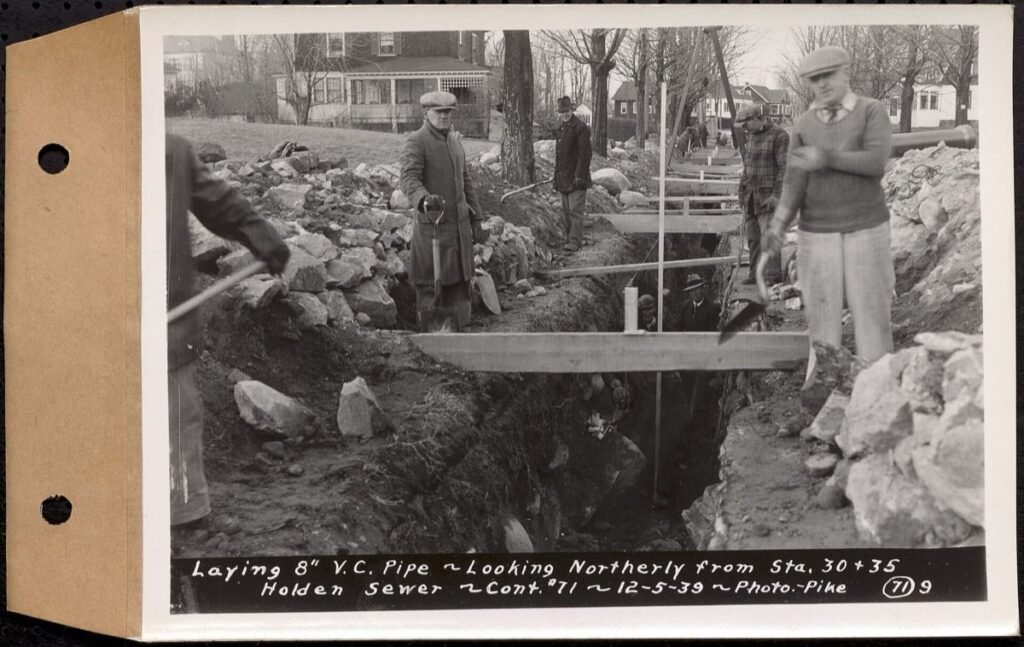
What a sewer scope looks for
- Roots at joints and cracks, and how far they have grown into the pipe.
- Offset or separated joints, often from settling or expansive soil.
- Bellies (sags), where standing water shows on the video.
- Cracks, fractures, holes and broken sections.
- Orangeburg fiber pipe, commonly installed from the 1940s to the early 1970s, which blisters, deforms and eventually collapses.
- Vitrified clay, which is durable but has many joints that admit roots.
- Cast iron scale and corrosion, which narrow the pipe from the inside and leave rough edges that catch waste.
- Construction debris in new lines, such as concrete or rock.
- Grease, buildup and past repairs, including spots where one material was patched to another.
- The connection at the main, as far as the camera can reach.
The pipe material alone says a lot about what comes next; see our guide to sewer pipe materials and lifespan.
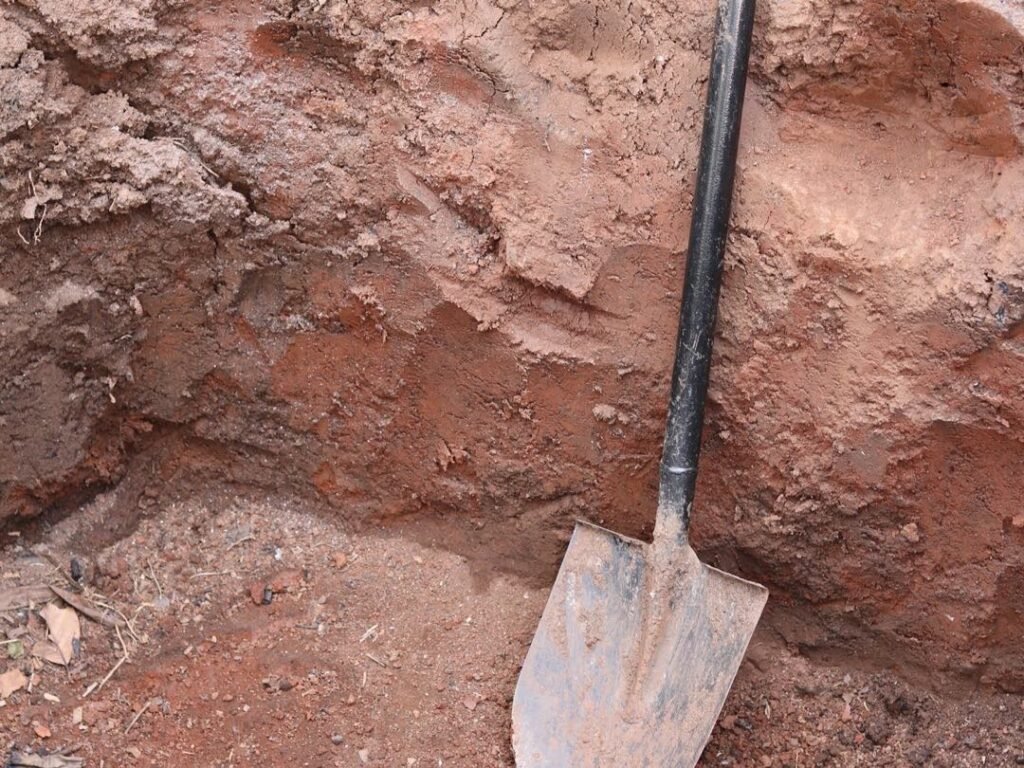
What you get from our sewer scope
- The full video of the line, from the access point to the main or as far as the camera can travel.
- A written summary in plain language: the pipe materials, each defect and what it means.
- Distances and depths. The camera’s cable counter gives the distance to each defect from the access point, and a transmitter in the camera head lets us find the spot and its depth from the surface.
- Locate marks on the ground, if needed, so a repair can be quoted and targeted. 811 marks public utilities; private sewer laterals usually are not marked, which is one reason we locate the line with the camera’s transmitter.
- A repair quote with options, only if you ask for one.
The video and summary are yours to share with your agent, the seller and anyone else quoting the work. Every job is done by licensed sewer technicians and covered by liability insurance.
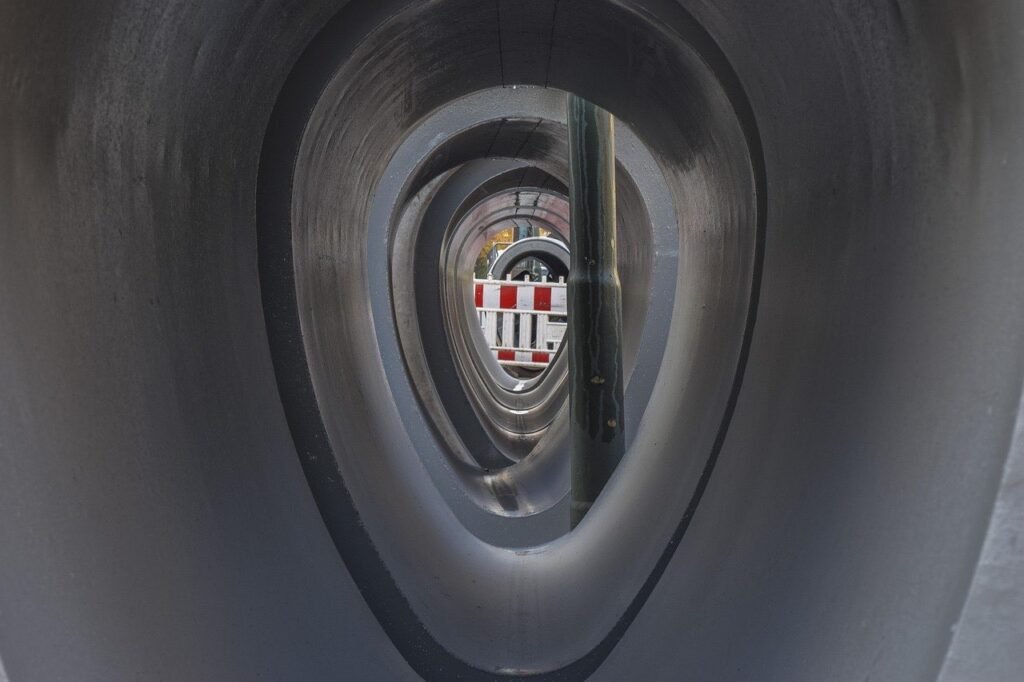
How we access the line
Cleanout. Most scopes go in through a sewer cleanout: a capped pipe near the foundation, in the yard or in the basement.
Pulled toilet. If there is no usable cleanout, we can usually inspect through the toilet flange after removing a toilet, then reset it. On a house you do not own yet, ask your agent to get the seller’s permission first.
Homes without a cleanout. Many older homes have no outdoor cleanout, or one that is buried, painted over or sealed with a seized plug. If forcing a cap could damage old pipe, we tell you before going further. Adding a sewer cleanout makes every future inspection and cleaning easier.
To prepare, clear a path to the cleanout or toilet and make sure the water is on; we usually run water during the scope to see how the line drains.
When to schedule it
Book the scope at the start of your inspection period, alongside the home inspection, so there is time for a repair quote and a negotiation before your objection deadline. A scope often takes about an hour on site, longer if a blockage stops the camera, and clearing a line on a house you do not own needs the seller’s okay. Agents can book on a client’s behalf, and we send the video and summary to anyone the buyer names.
One thing to watch: if the line was cleaned shortly before your scope, roots will look milder than they really are. The video still shows the cracked or open joints they grow through.
If the scope finds damage
Not every finding is urgent. Light root growth at one joint may only need cleaning, while flattening Orangeburg or a broken section needs repair soon. Our summary says which is which.
- Get a repair quote with options. We price each fix that will work, such as a spot repair, lining, bursting or sewer line replacement, side by side. National price ranges are in our sewer line cost guide.
- Negotiate a repair or a credit. Share the video, summary and quote with your agent. Common outcomes are a seller repair before closing, a price reduction or credit, or both. If the seller repairs, ask for the permit record where one is required and a camera video of the finished work.
- Get a second opinion if you want one. Anyone qualified can review the same video, and a second quote is reasonable on a large repair.
For the full range of repairs, see our main page on sewer line repair in Fort Collins.
Selling? Scope before you list
A pre-listing scope lets sellers find problems on their own schedule instead of in the middle of a buyer’s inspection period. You can repair the line first, price it in, or hand buyers the video and repair record up front. Ask your agent what you need to disclose.
Homes on septic need a different inspection
Many homes outside town limits in Larimer County have no public sewer. The county’s Code of the West says that where sewer service is not available, you will need an approved septic system or other treatment process, and the county marks 14,895 parcels as having septic records.
For those homes, the inspection that matters at sale is Larimer County’s transfer-of-title septic inspection. The system must be inspected by a certified inspector, with the report sent to the Larimer County Department of Health and Environment (LCDHE) before closing. Exemptions include systems with final approval less than three years ago and some family, estate and foreclosure transfers. An Agreement to Repair allows repairs within 180 days after closing.
A sewer scope does not replace that inspection, but we can camera the building sewer between the house and the tank and repair it if needed. See septic line repair and septic vs sewer in Larimer County.
Already have a scope video?
If the seller or another inspector has already scoped the line, send us the video when you ask for a repair quote and we will review it. If it is unclear, stops short of the main or was recorded long ago, we may recommend a new scope first.
Check the water service line too
The sewer is not the only buried line you inherit. In Fort Collins, the owner is responsible for the water service line from the curb stop to the house, and Fort Collins Utilities has an online lookup that shows whether a galvanized service line is on record for an address. Galvanized steel corrodes from the inside, so it is worth checking before you close.
How much does a sewer scope cost?
This Old House’s 2026 guide puts a sewer camera inspection at about $100 to $500. Where yours lands depends on access (a cleanout is quicker than a pulled toilet), the length of the line, whether it must be cleared before the camera can pass, and whether you want locate marks. Buyers usually order and pay for their own inspections, including the scope.
Sewer scope FAQ
What is a sewer scope inspection?
A recorded camera inspection of the sewer line from the house to the public main, usually done during a home purchase. It shows roots, cracks, sags, offset joints and the pipe material.
How much does a sewer scope cost?
This Old House’s 2026 guide puts a sewer camera inspection at about $100 to $500. Access, line length and whether the line needs clearing first move the price.
How long does a sewer scope take?
Often about an hour on site for a typical home, longer if the line is blocked or hard to reach.
Does a home inspection include a sewer scope?
Usually not. A standard home inspection does not look inside the sewer line, so the scope is booked separately.
Do new homes need a sewer scope?
It is worth it. New lines can hold construction debris, sags from settled backfill or joints pulled apart by soil movement, and it is better to find a problem while any builder’s warranty still applies.
What if the house has no cleanout?
We can usually scope through a pulled toilet, with the seller’s permission. Adding a cleanout later makes future inspections and cleaning easier.
Can I use the seller’s sewer scope video?
You can review it, and we will look at it when we quote a repair. If it is unclear, incomplete or old, a new scope during your inspection period is worth booking.
Related services

Sewer or water line trouble?
Call to book a sewer scope near you in Fort Collins or Loveland.
Camera inspection first, written and itemized quotes, and trenchless options where they fit.

Sewer and water line repair for Fort Collins, Loveland and Larimer County. Camera inspection first, written and itemized quotes, licensed sewer technicians.
Call (970) 999-1365