
How to Clear a Main Sewer Line Clog (and When to Call a Pro)
Signs the clog is in your main sewer line, how to open the cleanout and snake it safely, what not to pour down it, and when to call a pro.
To clear a main sewer line clog yourself, stop running water, open the cleanout slowly, and feed a rented drum auger through it toward the street until the standing water drains. Plunging the lowest toilet sometimes moves a soft clog, but chemical drain openers do not belong in a main line. If the clog keeps returning, the auger brings up roots, or sewage reaches the basement, call for professional cleaning and a camera inspection.
Call (970) 999-1365 to have a stubborn main line clog cleared and checked with a camera.
Call nowSigns the clog is in the main sewer line, not one drain
Every drain in the house empties into one pipe, the building sewer (or lateral), which runs to the city main in the street. A clog in one sink affects that sink. A main sewer line clog affects the whole house:
- Several fixtures slow down at once, such as a tub, a toilet and a floor drain.
- The lowest drains go first. Backed-up water comes out of the lowest opening, usually a basement floor drain, shower or ground-floor toilet.
- Toilets gurgle when the washing machine drains or a tub empties.
- Water rises in a floor drain when someone flushes or runs water upstairs.
If only one fixture is slow, the clog is usually in its own trap or branch line, so work on that drain instead.
First, stop running water and check the city main
Every flush, shower and load of laundry adds to the backup, so ask everyone in the house to stop using water.
If sewage is backing up in Fort Collins, call Fort Collins Utilities at 970-221-6700 first so they can check the city main. If the blockage is in the main, the city clears it and pays for janitorial cleanup of the affected area. If it is between the house and the main, the line and the cleanup are the owner’s responsibility. Elsewhere, call your town utility or sanitation district.
Keep children and pets away from standing sewage, and stay out of a flooded room with outlets, a furnace or a water heater. Our sewer backup checklist covers cleanup and insurance.
How to find and open the sewer cleanout safely
The cleanout is a capped pipe into the main line, commonly found in the basement floor, low on a wall where the sewer exits, outside near the foundation, or in the yard. Our guide to finding your sewer cleanout and sewer line has more detail. If yours is buried, call 811 before you dig.
- Expect pressure. In a backed-up line, sewage can rush out when the cap breaks loose. Wear gloves and eye protection, loosen the cap slowly with a wrench, stand to one side, and have buckets or a wet vacuum ready.
- Watch for sewer gas. It can contain hydrogen sulfide and methane, which is flammable. Ventilate the area, keep flames and sparks away, and get to fresh air if you feel dizzy or sick.
- Do not force a seized plug. Old brass and cast iron plugs often corrode in place. Never heat one with a torch, and do not hammer on a cast iron fitting, which can crack.
- Read the cleanout. If the pipe is full of water, the clog is usually downstream, toward the street. If it is dry while fixtures back up, the clog is upstream, inside the house.
How to unclog a main sewer line without a snake
Without a snake, your options only help with soft clogs:
- Plunge the lowest toilet. A flange plunger on the toilet closest to the main sometimes pushes a soft clog through. If plunging just raises water in the floor drain, the clog is out of reach.
- Skip the home remedies. Hot water, baking soda and vinegar rarely reach a main line clog, and they do nothing to roots.
- Save enzyme products for maintenance. They work slowly and may help limit buildup in a line that flows, but they will not open a blocked main.
How to snake a main sewer line
Rental shops commonly rent drum augers sized for main lines, since a sink auger is too small for the job. Treat the machine as a serious power tool: a cable that binds can twist, kink and whip, causing hand and arm injuries.
- Get a demonstration and the instructions, and confirm the cable and cutter suit your pipe.
- Gear up: safety glasses, the gloves the rental shop recommends (commonly leather drain-cleaning gloves), and no loose sleeves, jewelry or long hair. Cloth gloves can catch on a spinning cable.
- Set up close to the cleanout so little cable is exposed. Plug into a GFCI-protected outlet and keep the motor out of standing water.
- Feed toward the street through the cleanout, slowly, using the foot pedal. Back off if the cable binds or twists, and never grab a spinning cable.
- When the clog breaks, work the cable back and forth through the spot, retract it slowly while rinsing it, then run water gradually and disinfect the tools.
Stop and call if the cable hits something hard, brings up roots or gets stuck. Forcing it can damage weak pipe, especially Orangeburg fiber, which was commonly installed from the 1940s to the early 1970s.
What not to do
- No chemical drain openers in a main line. Made for small sink clogs, they sit in standing water, rarely reach the blockage, do nothing to roots and leave a caustic pool for whoever opens the cleanout next.
- Never mix drain chemicals or follow one product with another. Some combinations react violently or release toxic gas. If you already used one, do not plunge, and tell anyone who works on the line what you used.
- Do not keep flushing to test it, and do not dig for a buried line or cleanout without calling 811.
When to call a pro
DIY clearing suits a one-time, soft clog. Call us when:
- The clog comes back. Repeat clogs have a cause, such as roots, a sag or an offset joint, that snaking will not fix.
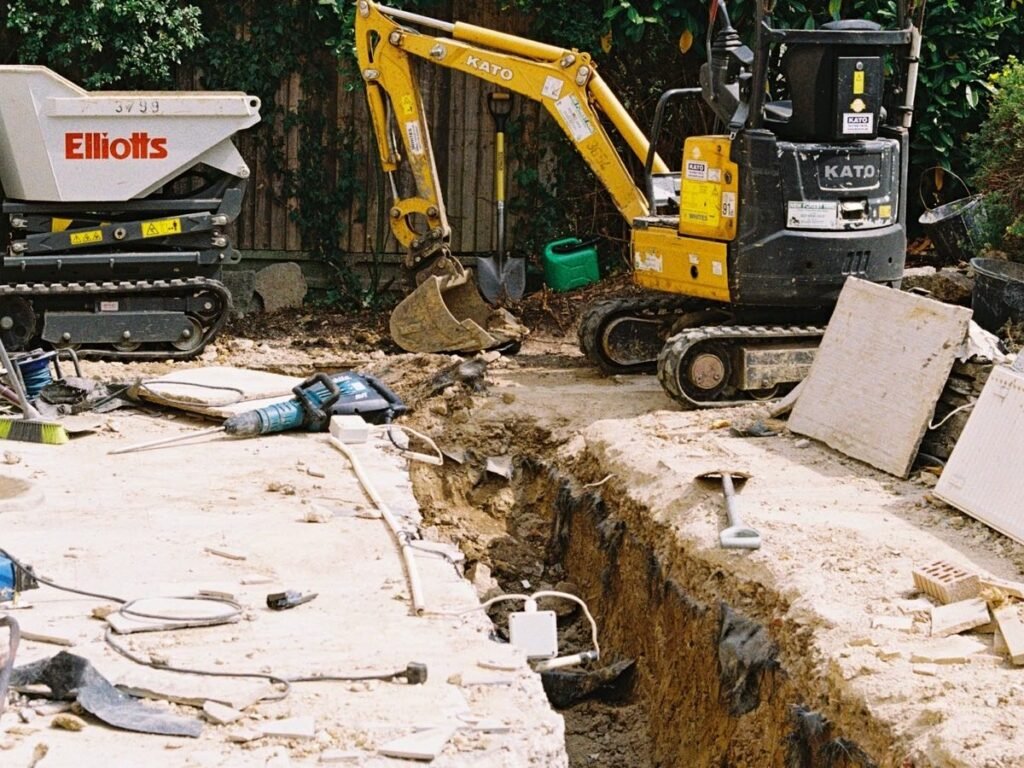
- The auger brings up roots. Roots mean a cracked or open joint. Our guide to tree roots in your sewer line explains the options.
- Sewage is backing up into the basement. Check with your utility, then call. Active sewage backups are scheduled first. See what causes basement sewer backups.
- The pipe is old. About 31% of Fort Collins homes and 34% of Loveland homes were built before 1980 (U.S. Census Bureau, ACS 2024 5-year estimates), and lines that age are often vitrified clay, cast iron or Orangeburg fiber.
- There is no usable cleanout, or you would rather not deal with sewer gas and sewage.

How we clear a main sewer line
We get the line flowing, then find out why it stopped:
- Cable machine. A heavy-duty machine with cutting heads sized to the pipe opens the blockage and cuts through roots. About sewer line cleaning.
- Hydro jetting. Interchangeable high-pressure nozzles scour grease, scale and fine roots from the full width of the pipe. We jet only when the camera shows the pipe can take it, since high pressure can worsen broken or fiber pipe. About hydro jetting.
- Camera inspection afterward. A camera with a locator records roots, offset joints, bellies, cracks, scale or collapse and marks their position and depth on the ground. About sewer camera inspections.
Repair quotes follow the camera, in writing and itemized. Clearing a stoppage needs no Fort Collins plumbing permit, but replacing concealed pipe does ($65 plus sales tax on the project valuation), and we pull it and schedule the inspection.
How much does it cost to unclog a main sewer line?

National cost guides offer a starting point:
| Service | Typical cost | Source |
|---|---|---|
| Hydro jetting | About $475 on average; most pay $350 to $600 | Angi |
| Sewer camera inspection | $100 to $500 | This Old House, 2026 |
| Sewer labor | $150 to $500 per hour | This Old House, 2026 |
A basic cable clearing typically costs less than jetting. Heavy roots, a long line or a cleanout that has to be found or replaced push the price up.
What causes a main sewer line to clog?
- Tree roots enter through clay joints and cracks, especially under the mature street trees of older Fort Collins and Loveland neighborhoods.
- Grease, wipes and paper towels. Grease hardens in the pipe, and wipes sold as flushable typically do not break down the way toilet paper does.
- Bellies and offset joints hold water and snag waste. Expansive soil, which the Colorado Geological Survey calls Colorado’s most significant geologic hazard, can move pipe out of grade.
- Scale in old cast iron and deformed Orangeburg pipe narrow the line.
- Construction debris in newer lines, or occasionally a blockage in the city main.
A camera run shows which cause you have. For repair methods and costs, see our page on sewer line repair in Fort Collins.
Main sewer line clog FAQ
Can I clear a main sewer line clog myself?
Often, if the clog is soft and you can safely reach a cleanout. A rented drum auger fed toward the street clears many paper and grease clogs, but roots, broken pipe and repeat clogs need professional equipment and a camera inspection.
How do I unclog a main sewer line without a snake?
Try a flange plunger on the lowest toilet in the house. If that fails, the next step is a snake or professional cleaning, because chemical drain openers and home remedies rarely reach a main line clog.
How much does it cost to unclog a main sewer line?
Basic cable clearing typically costs less than jetting. Angi puts hydro jetting at about $475 on average, with most people paying $350 to $600, and This Old House puts a camera inspection at $100 to $500.
Who do I call first if sewage is backing up in Fort Collins?
Fort Collins Utilities, at 970-221-6700, so they can check whether the city main is blocked. If the main is clear, the blockage is in your line, and that is the time to call us at (970) 999-1365.
Keep reading
Related guides

Tree Roots in Your Sewer Line: What Dissolves Them and What Actually Works
Copper sulfate and foaming root killers slow regrowth but do not fix the cracked pipe. What works for roots in sewer lines, and what it costs.
Read guide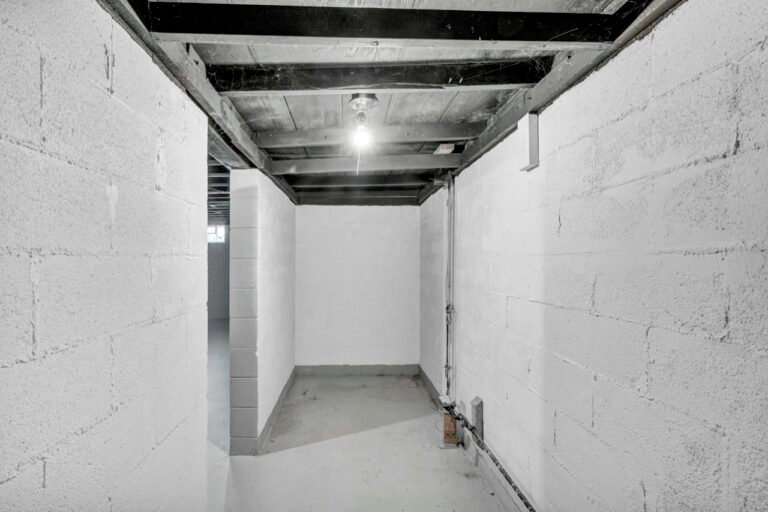
What Causes Sewer Backups in a Basement (and How to Prevent Them)
Why sewage backs up through a basement floor drain: roots, grease, bellies, broken pipe or a city main blockage. How to fix and prevent it.
Read guide
Frozen Water Line? How Deep Lines Are Buried in Northern Colorado and How to Thaw Them Safely
Thaw a frozen pipe safely: open the faucet, use gentle heat, never a flame. Plus burial depths, the frost line and when to call for help.
Read guideSewer or water line trouble?
Call to have your main sewer line cleared and checked with a camera.
Camera inspection first, written and itemized quotes, and trenchless options where they fit.

Sewer and water line repair for Fort Collins, Loveland and Larimer County. Camera inspection first, written and itemized quotes, licensed sewer technicians.
Call (970) 999-1365