
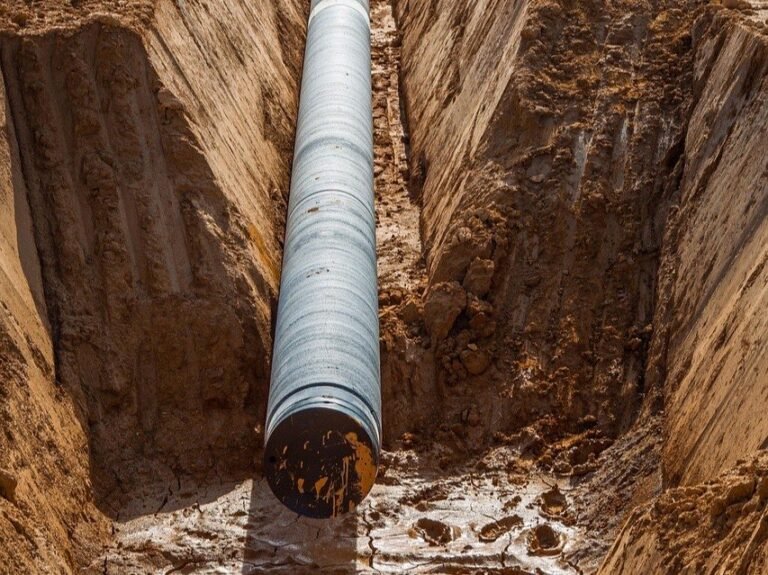
Septic Line Repair in Larimer County, CO
Repair and replacement of the pipe between the house and the septic tank, for rural Larimer County homes.
- Camera inspection first
- Written, itemized quotes
- Licensed and insured
Septic line repair fixes the buried pipe that carries wastewater from your house to the septic tank after roots, settling, frost or a crushed section has cracked or blocked it. Fort Collins Sewer Line Repair runs a camera from the cleanout to the tank inlet, shows you the problem on video, then repairs the damaged section or replaces the line to Larimer County’s specs. Pumping the tank and soil treatment area work are separate septic services, and we tell you when the camera points there.
Call (970) 999-1365 to have the line between your house and your septic tank inspected.
Call nowChoose your area
Local rules on who owns the line, permits and inspections differ by town. Pick yours:
What is a septic line?
It usually means the pipe from the house to the septic tank, which Larimer County calls the building sewer. It is built much like a city sewer lateral, but it ends at your tank inlet instead of a public main.
The pipe from the tank to the soil treatment area (the drain field or leach field, whose pipes some people also call septic lines) is part of the septic system itself and is handled under the county’s septic permits, like the tank and the soil treatment area.
- What we repair and replace: the building sewer from the house to the tank inlet, including cleanouts, plus sewer and water service lines.
- Separate septic services: tank pumping, inspection and replacement, system design, and the effluent line and soil treatment area.
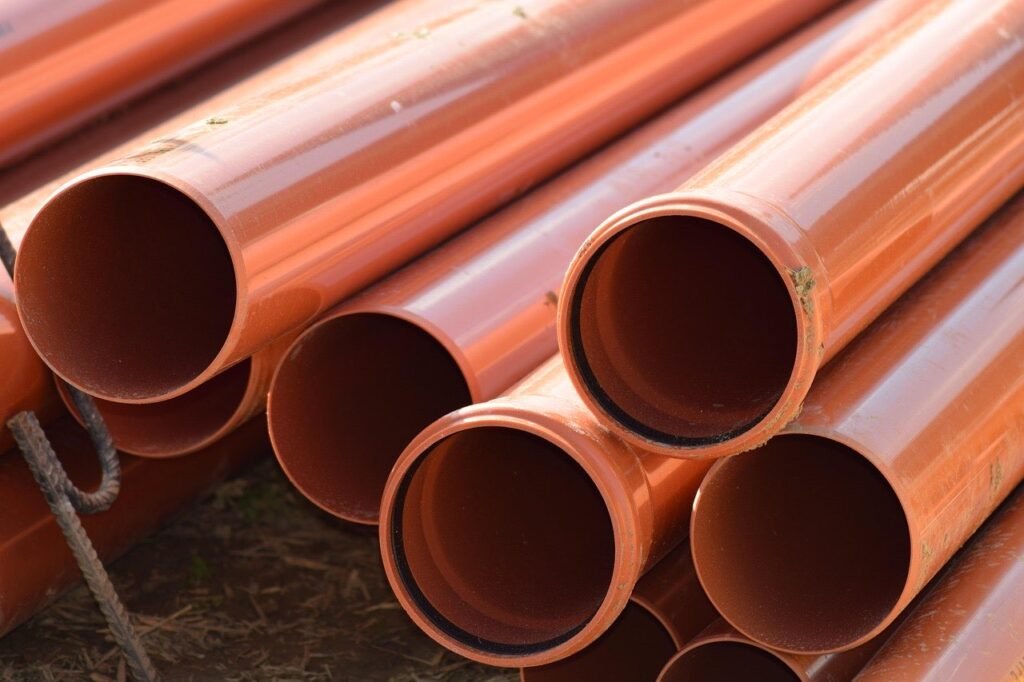
Signs of a broken septic line
A damaged house-to-tank line usually shows up inside first:
- Slow drains all over the house, not just one sink or tub.
- Gurgling from a toilet or drain when another fixture empties.
- A backup in the lowest drain, often a basement floor drain or shower.
- Wet or smelly ground between the house and the tank.
- A lush strip of green grass along the line’s route, which can mean wastewater is leaking into the soil.
A tank overdue for pumping or a failing soil treatment area can cause the same symptoms, so we look before anyone quotes a repair.
What damages the sewer line to a septic tank
- Roots. Clay and older joints let roots in, and the roots catch paper and solids until the line stops.
- Settling. Freeze-thaw cycles and dry, clay-rich soils move pipe, which can leave sags (bellies) and cracked joints. The Colorado Geological Survey lists sewer lines among the things expansive soil damages.
- Vehicles. A shallow line under a driveway or parking spot can crack or crush under heavy loads.
- An offset joint at the tank inlet. The tank and the pipe can settle at different rates, so the joint where the line enters the tank is often a weak point.
- Freezing. County rules call for at least 12 inches of cover over this pipe, while the county’s minimum frost depth for foundations is 30 inches. A line near that minimum, or one holding water in a sag, can freeze.
- Old pipe. About 31.9% of Larimer County homes were built before 1980 (U.S. Census Bureau, ACS 2020-2024), and lines that age may be vitrified clay or Orangeburg fiber. Orangeburg deforms as it ages.
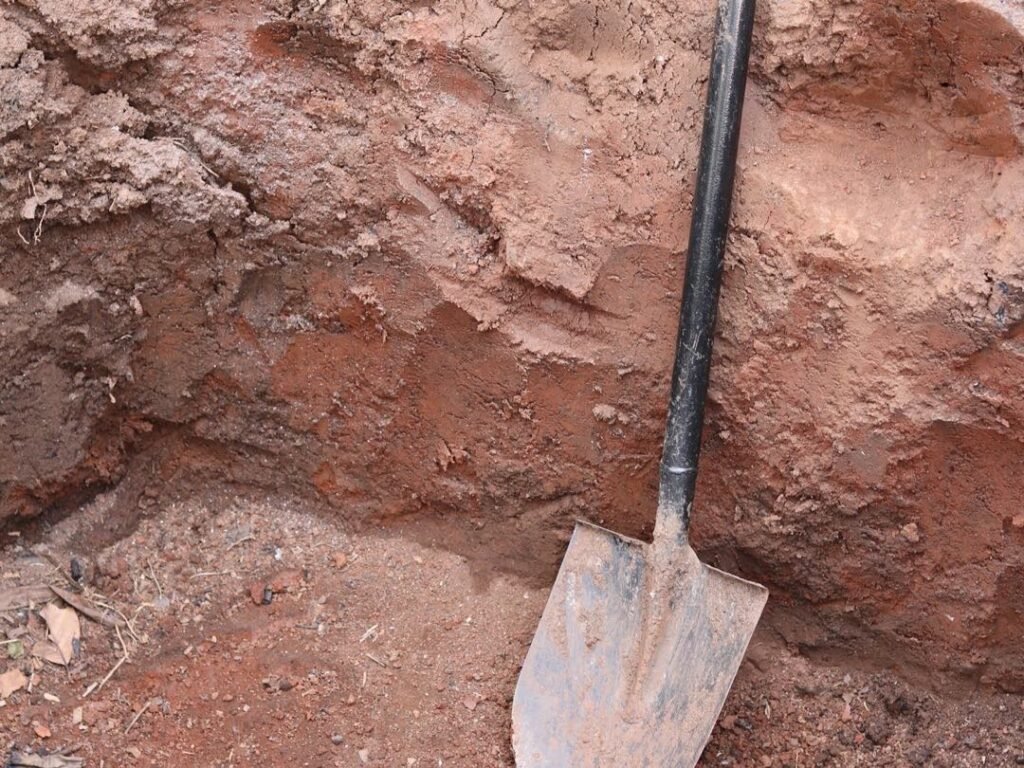
Camera inspection from the cleanout to the tank inlet
Every job starts with a sewer camera inspection from the cleanout to the tank inlet. We record the whole line and use the camera’s locator to mark its route and depth on the ground.
The video shows roots, cracks, bellies, crushed sections and offset joints, including the joint at the tank. Water standing at the inlet can mean the tank’s outlet or the soil treatment area is not draining. If the pipe is sound and the problem is at the tank, have the tank pumped and inspected by a septic service before spending money on the line.
No cleanout? We can add one, since county rules call for a cleanout within 5 feet of the building. More about sewer cleanouts.

Septic pipe repair and replacement options
Your written, itemized quote prices each option the camera shows will work.
Cleaning. Roots or buildup with no structural damage can often be cleared with a cable machine, or a jetter where the pipe can take it. Roots that keep returning point to a joint that needs repair. About sewer line cleaning.
Spot repair. One bad section, such as a separated joint at the tank inlet or a crushed stretch under a driveway, is dug out, replaced and re-bedded at the right slope.
Full septic line replacement. For clay or Orangeburg pipe, several sags or roots at joint after joint, replacement usually costs less over time than repeated repairs. The new line, typically PVC SDR 35, meets the county specs below. About sewer line replacement.
Lining, where suitable. A cured-in-place liner or point liner can seal cracks and root entry in a line that still holds its shape. Crushed pipe, bellies and a failed joint at the tank usually need excavation.
What it costs. As a national benchmark, This Old House’s 2026 sewer line replacement guide, based on Angi data, puts excavation at $50 to $200 per foot and a camera inspection at $100 to $500.
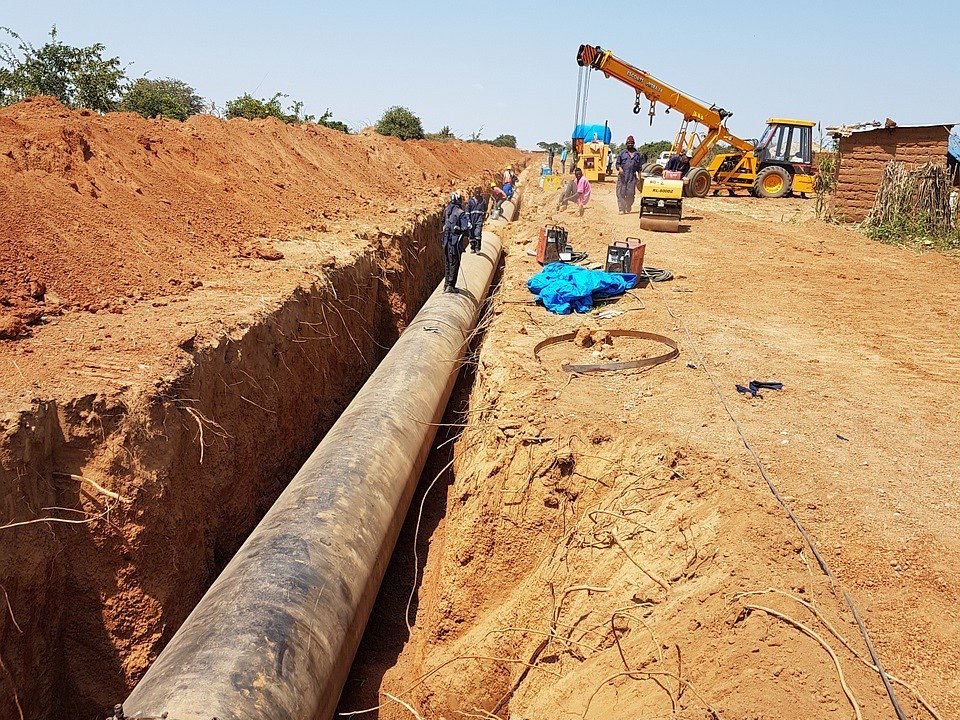
Larimer County specs for the house-to-tank pipe
Larimer County’s septic rules, which follow its June 2018 adoption of Colorado’s Regulation 43, set these minimums for the building sewer:
| Item | Larimer County minimum |
|---|---|
| Pipe | At least 4-inch, SDR 35 |
| Cover | At least 12 inches of soil over the pipe |
| Slope | At least 1% (1 foot of drop per 100 feet) |
| Cleanouts | Within 5 feet of the building and every 100 feet |
Older lines may not meet them. When we replace a section or the whole line, we build to them and add missing cleanouts.
Do you need a permit for septic line repair?
The Larimer County Department of Health and Environment (LCDHE) handles septic permits, and “State and county laws require you to get a permit from the Department before building or fixing a septic system.” A Minor Repair permit is “Needed if you’re replacing a septic tank,” and a Major Repair permit covers “replacing, expanding, or changing the soil treatment area.”
For work on the pipe between the house and the tank, we check with LCDHE whether your repair needs a permit. If it does, we pull it and schedule the inspection, and we request 811 locates before any digging.
Selling a home with a septic system
When a property with septic changes hands, Larimer County says, “If a property has an on-site wastewater treatment system, it must be inspected by a certified third-party inspector,” and the report goes to LCDHE before closing. Exemptions include systems with final approval less than three years ago and some family, estate and foreclosure transfers.
An Agreement to Repair allows repairs “within 180 days after closing.” If the inspection flags the line between the house and the tank, we can camera it, quote it in writing and repair it.
Wells nearby: why a leaking line should not wait
Many rural homes here rely on private wells. State well permit records show 59 built domestic or household wells within a mile of Bellvue (median depth 65 feet), 55 near Masonville (median 300 feet) and 51 near LaPorte (median 22 feet), measured from each community’s USGS map point.
A cracked house-to-tank line leaks untreated wastewater into the soil before it reaches the tank, skipping the system’s treatment. With a well nearby, fix it promptly. More on Bellvue and Masonville.

When the house is on sewer instead
Not every rural address uses septic. Fort Collins Utilities provides wastewater service beyond city limits, including parts of LaPorte, and the Boxelder Sanitation District serves portions of unincorporated Larimer and Weld counties.
If you pay a sewer bill, see sewer line repair in Fort Collins. Not sure which you have? Read septic vs. sewer in Larimer County or see unincorporated Larimer County.
Septic line repair FAQ
How deep are septic lines buried?
Larimer County requires at least 12 inches of cover over the pipe from the house to the tank, and actual depth depends on where the drain leaves the house and the tank inlet’s height. With the county’s minimum frost depth for foundations at 30 inches, a shallow line can freeze.
How do I unclog a septic line?
If the line has a cleanout, a rented drum auger can clear a soft clog. Never use or mix chemical drain openers, never lean into or enter a septic tank because its gases can be deadly, and call 811 before digging for a buried cleanout. Repeat clogs usually mean roots, a sag or a bad joint at the tank inlet.
Do I need a permit to replace the line from my house to the septic tank?
LCDHE issues septic permits, which state and county laws require before building or fixing a septic system. For the house-to-tank pipe alone, we check with LCDHE first and pull the permit if one is needed.
Who is responsible for the line from the house to the septic tank?
The property owner, who is responsible for the whole private septic system, from the pipe leaving the house to the tank and the soil treatment area.
Do you pump septic tanks or repair drain fields?
No. We repair and replace the pipe from the house to the tank, plus sewer and water service lines. Pumping, tank replacement, system design and soil treatment area work are separate septic services; if the camera points to the tank, have it pumped and inspected by a septic service.
What happens to my septic system when I sell my house?
Unless the transfer is exempt, a certified third-party inspector must inspect the system, and the report goes to LCDHE before closing. An Agreement to Repair allows repairs within 180 days after closing.
Related services


Sewer or water line trouble?
Call to have the line from your house to your septic tank inspected and repaired.
Camera inspection first, written and itemized quotes, and trenchless options where they fit.

Sewer and water line repair for Fort Collins, Loveland and Larimer County. Camera inspection first, written and itemized quotes, licensed sewer technicians.
Call (970) 999-1365