
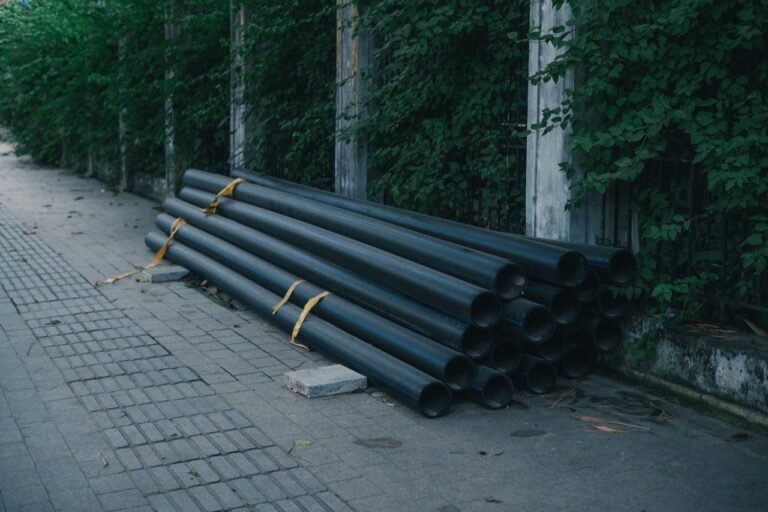
Pipe Bursting in Fort Collins & Loveland
A new seamless pipe pulled through the old one, from two small access pits instead of a trench.
- Camera inspection first
- Written, itemized quotes
- Licensed and insured
Pipe bursting is a trenchless way to replace an old sewer line. A steel bursting head is pulled through the old pipe, cracking it apart and pushing the pieces into the soil, while new seamless HDPE pipe follows behind it, so the whole run is replaced from two small pits instead of a trench. Fort Collins Sewer Line Repair uses pipe bursting for sewer lateral replacement across Fort Collins and Loveland when a camera inspection shows the old line is a good candidate.
Call (970) 999-1365 to find out whether your line can be burst instead of dug up.
Call nowChoose your area
Local rules on who owns the line, permits and inspections differ by town. Pick yours:
How pipe bursting works, step by step
Your sewer lateral, also called the building sewer, runs from the house to the public main. Bursting replaces it in one pull:
- Camera inspection. We run a sewer camera inspection to the main, record the line’s length, depth and material, and mark its route on the ground.
- Permits and locates. We pull the permits, request the 811 locates and schedule the inspections.
- Launch and receiving pits. One pit goes near the house, where the new pipe enters, and one at the far end, at the main or a sound section of pipe.
- Setup. A steel cable or linked rods are fed through the old pipe to the bursting head, and lengths of HDPE are heat-fused into one continuous pipe behind it.
- The burst. A winch or hydraulic puller draws the head through, fracturing the old pipe and pushing the fragments outward as the new pipe slides in behind.
- Reconnection, inspection and video. Both ends are connected, the city or district inspects where required, we record a camera run through the new pipe, and the pits are backfilled.
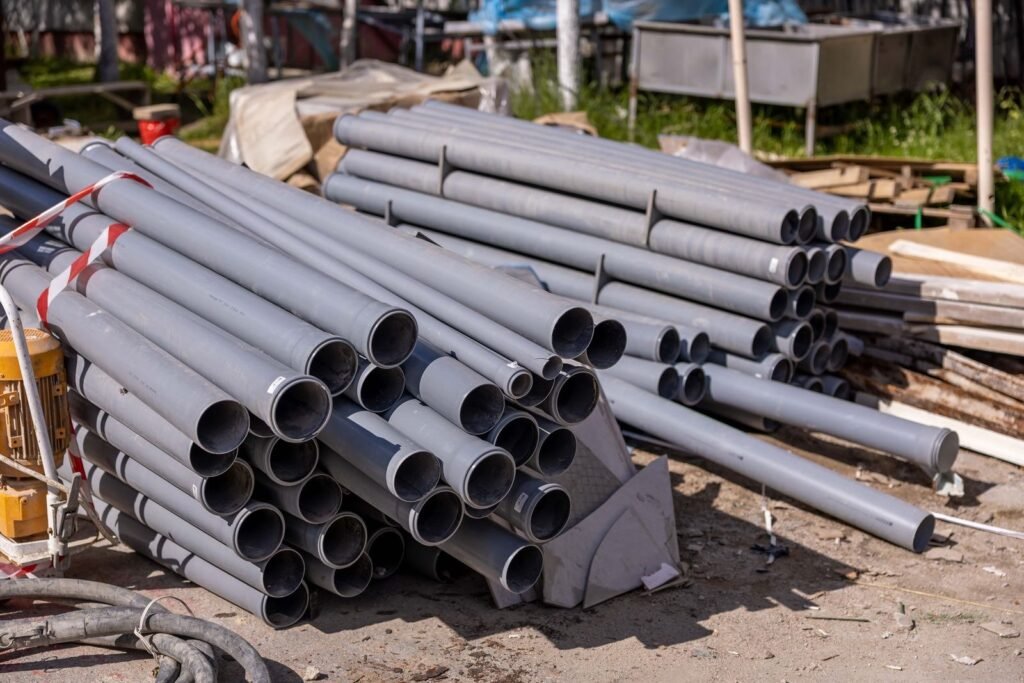
Static versus pneumatic bursting heads
- Static (hydraulic) bursting. A hydraulic puller draws the head through steadily on rods or heavy cable, with no hammering. Its low vibration makes it a common choice near foundations and other buried lines.
- Pneumatic bursting. An air-driven hammer in the head drives it forward in rapid blows while a winch and cable keep it on line. It breaks brittle pipe efficiently, but the vibration needs more care near structures.
Which old pipes can be burst
- Vitrified clay is brittle and shatters cleanly.
- Cast iron is also brittle and usually bursts well, though heavy scale can make the cable harder to feed through.
- Orangeburg (bituminous fiber pipe), commonly installed from the 1940s to the early 1970s, is soft and pushes aside easily. A flattened or collapsed section may need its own pit so the cable can pass.
- PVC and ABS stretch instead of shattering, so they are split with a bladed head, which is slower.
Offset joints and root-filled joints are common reasons to burst, because the new pipe has no joints at all. Collapses, old repair clamps, concrete encasement and sharp bends make bursting harder, and each sharp bend may need its own pit.
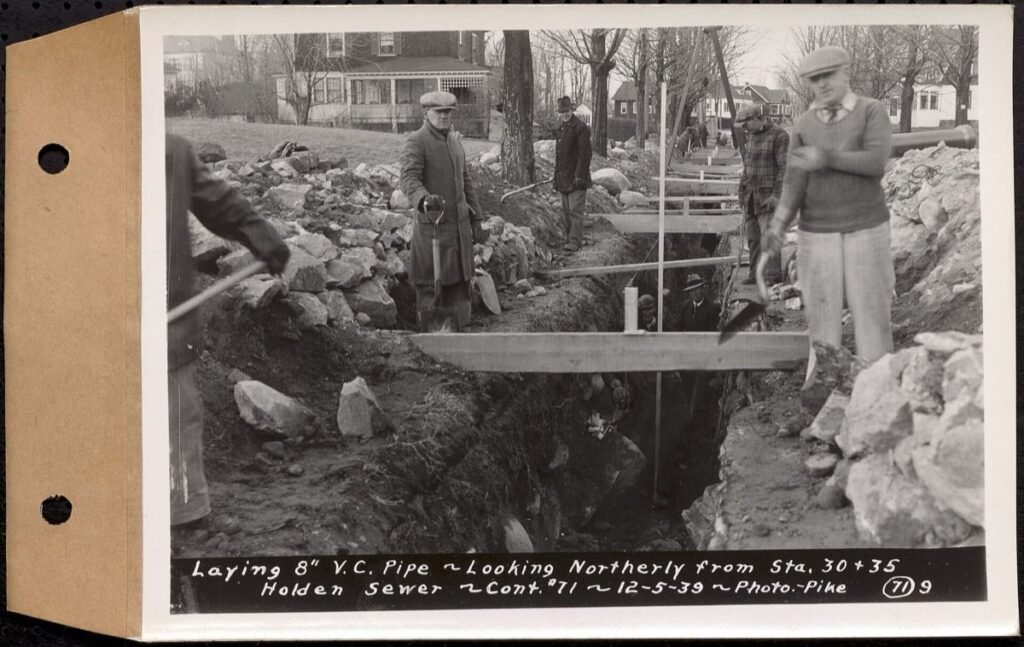
Upsizing to a larger pipe
Because the head pushes soil outward, the new pipe can match the old size or go up one. Upsizing helps when the old line was undersized or the house is adding fixtures, such as a basement bathroom, but it displaces more soil, and the new pipe still has to fit the connections at both ends. For most homes, matching the old size is plenty.
HDPE sewer pipe and fused joints
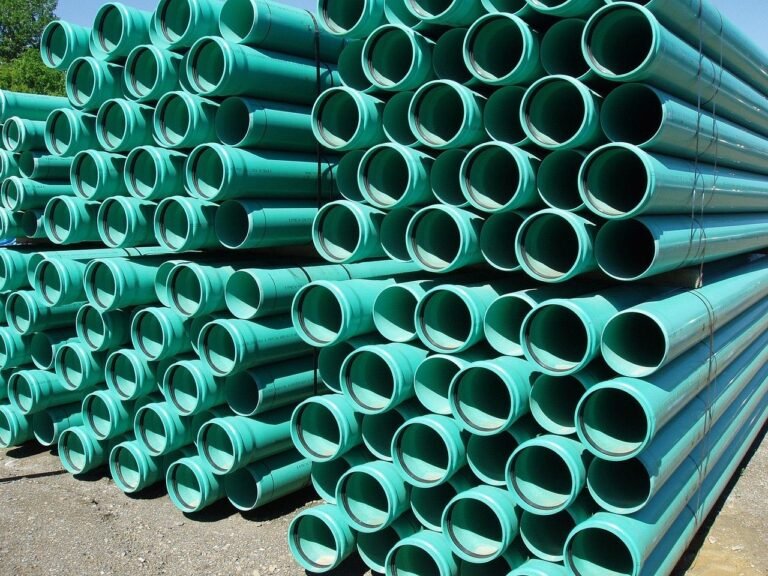
HDPE (high-density polyethylene) is joined by heat fusion: the pipe ends are melted and pressed together into a joint generally as strong as the pipe wall. The result is one continuous pipe from pit to pit, with no gaskets or glued joints for roots to find. Its slight flexibility also helps in expansive clay, which the Colorado Geological Survey calls Colorado’s most significant geologic hazard, listing damage to pipelines and sewer lines.
Where a section has to be dug and re-laid instead, such as a sag, we usually use SDR 35 PVC, a common standard for gravity sewer lines in open trenches.
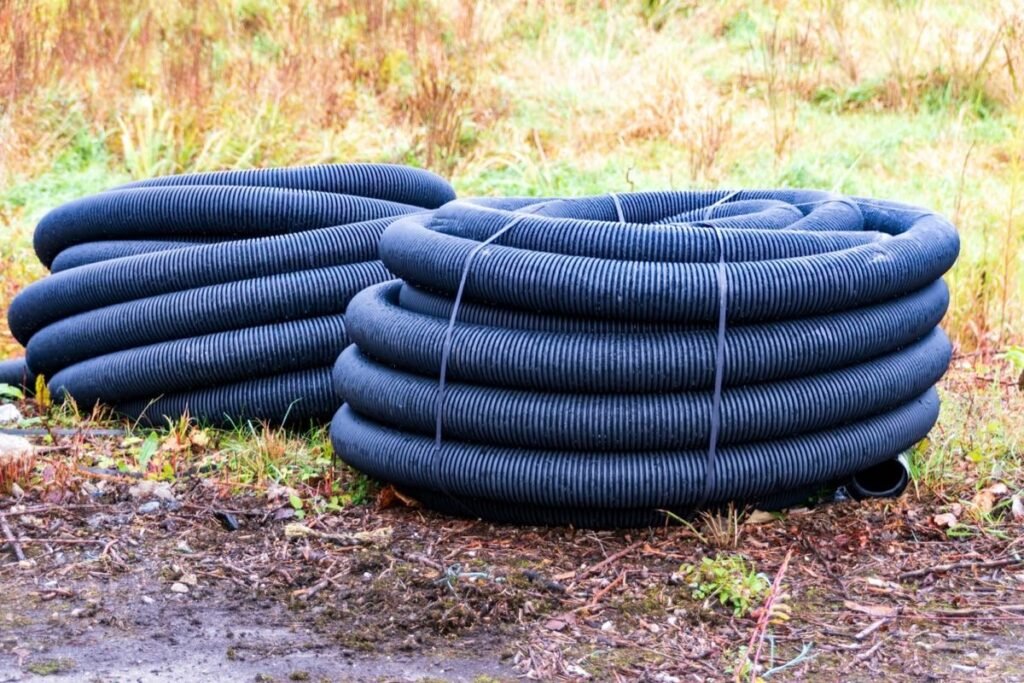
Reconnecting at the main and at the house
At the house, the new pipe joins the house drain just outside the foundation, usually with a shielded transition coupling. It is a good moment to add a two-way cleanout for easy access from the yard.
At the main, local rules decide how far the job goes. In Fort Collins, the property owner is responsible for the sewer service line all the way to the city main in the street, including resulting damage, so a full replacement can end with a pit at the tap. If the tap is under the street, expect a right-of-way permit, traffic control and pavement repair. Loveland Water and Power maintains its mains and leaves the connection up to them with the customer. Some addresses are on a sanitation district such as Boxelder instead; your sewer bill shows who serves you.
What pipe bursting cannot do
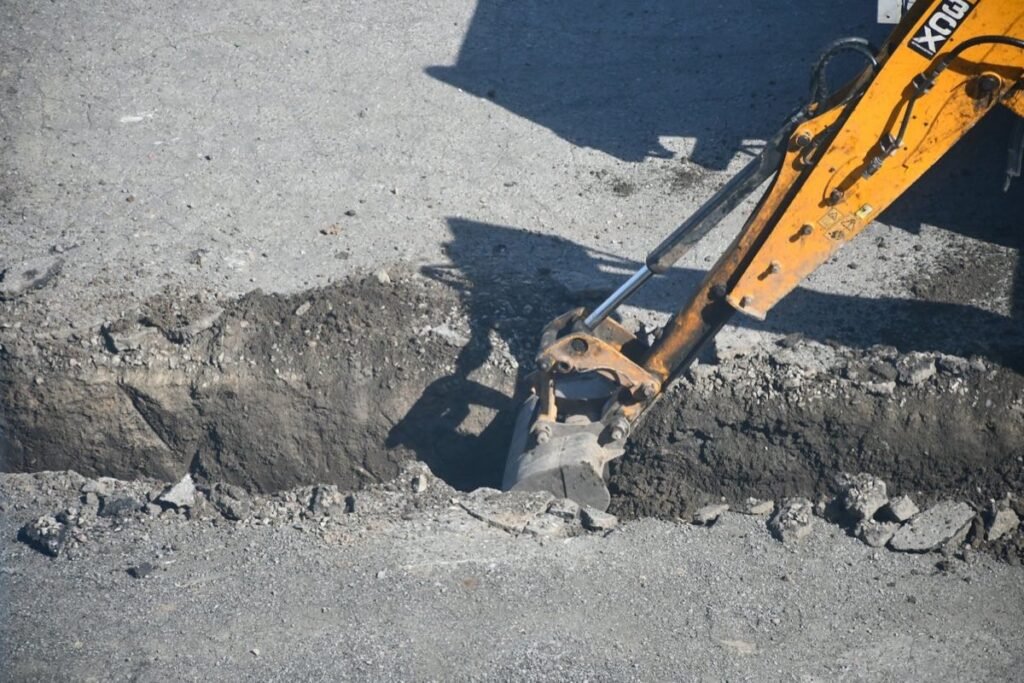
- It follows the old path. The head tracks the existing pipe, so the new line keeps roughly the same route and grade. It does not cure a deep belly or wrong slope. A shallow sag sometimes comes out better, but that cannot be relied on, so those sections are dug up and re-laid at the right grade. More on sewer line bellies.
- Nearby gas and water lines need care. Displaced soil can damage a gas line, water service or cable running close to the sewer, so a close crossing is usually exposed by hand first.
- Shallow lines near foundations need care. Ground movement can lift or crack a slab, step or sidewalk. Static bursting, careful pit placement and hand-digging the last stretch are common answers.
- It cannot pass a full collapse. A crushed section is opened with a pit first.
Pipe bursting vs lining vs digging
| Pipe bursting | Pipe lining (CIPP) | Open-trench digging | |
|---|---|---|---|
| Digging | Two pits | Often just the cleanout | A trench along the run |
| Badly broken pipe | Yes, if the head can pass | No, it must hold its shape | Yes |
| Fixes bellies and slope | No | No | Yes |
| Pipe size afterward | Same or larger | Slightly smaller | Any size |
| Typical time | Often one day | Often one day | One to three days or more |
| National cost per foot | $60 to $250 | $60 to $250 | $50 to $200, plus restoration |
Costs per foot: This Old House, 2026, based on Angi data. Its trenchless range covers lining and bursting.
Bursting usually wins when pipe is too broken to line but still passable, and a driveway, patio, mature tree or finished landscaping sits on top. Sewer pipe lining suits cracked or rooty pipe that still holds its shape. Excavated sewer line replacement handles collapses, bellies and slope, and under open lawn it can cost less. More detail: trenchless vs traditional sewer replacement.
How much does pipe bursting cost?
This Old House’s 2026 sewer line replacement guide, based on Angi data, puts trenchless replacement at about $60 to $250 per foot and excavation at about $50 to $200 per foot. Its average sewer line replacement is $3,320, with most homeowners paying $1,390 to $5,320.
Bursting is priced by the foot. As an illustration only:
- A 40-foot lateral: 40 feet at $60 to $250 per foot is $2,400 to $10,000.
- A 70-foot lateral, house to main: 70 feet at $60 to $250 per foot is $4,200 to $17,500.
Neither is a quote, and both leave out permits, street work and restoration. What moves your price:
- Depth. Larimer County requires at least 30 inches of frost protection for foundations, and buried lines need frost protection too, so pits here are rarely shallow.
- Pit locations, especially a pit in the street.
- The old pipe. Splitting PVC or cutting out old clamps takes longer than bursting clay.
- Extras such as upsizing, a new cleanout and restoring sod, sprinklers or pavers.
- Permits. Nationally about $100 to $1,000. In Fort Collins, a plumbing permit is $65 plus sales tax on the project valuation.
Your written, itemized quote lists each cost. Full sewer line cost guide.

Permits and 811 before pipe bursting
Replacing a sewer lateral is permitted work. In Fort Collins, replacing concealed pipe counts as new work under a plumbing permit, and other towns and districts set their own rules and inspections.
811 marks public utilities; private sewer laterals usually are not marked, which is one reason we locate the line with the camera’s transmitter. Every job is done by licensed sewer technicians and covered by liability insurance.
What your yard looks like afterward
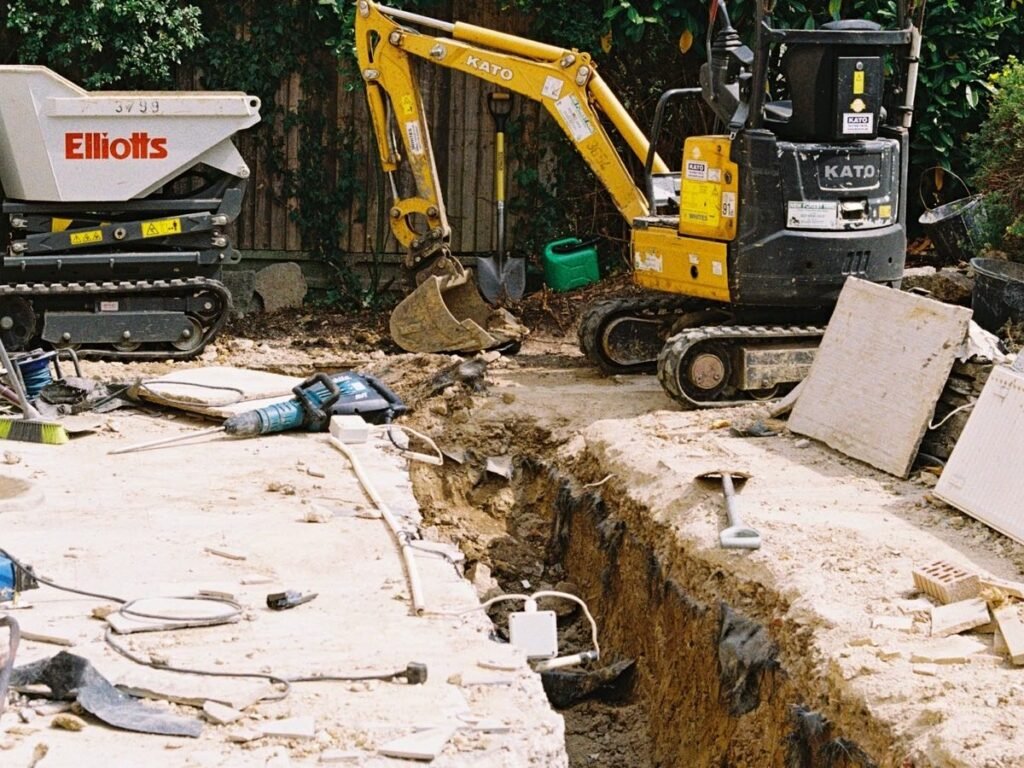
Instead of a trench, you get two pits a few feet across, with the new pipe laid out on the surface until the pull. Afterward the pits are backfilled and compacted. Filled ground can settle a little over the following months, so a low spot may need topping up, and what gets restored is listed in your quote.
You cannot use the drains while the old line is disconnected, usually for part of a day. We tell you when to stop and when to start again.
Why it suits older Fort Collins and Loveland lines
About 31% of Fort Collins homes and 34% of Loveland homes were built before 1980 (U.S. Census Bureau, ACS 2024 5-year estimates). Many still have original clay, cast iron or Orangeburg laterals under mature trees and driveways, which is where bursting earns its place. For pipe bursting near you, see local rules for Fort Collins and Loveland, compare methods on our trenchless sewer repair page, or start with our main page on sewer line repair in Fort Collins.
Pipe bursting FAQ
How long does pipe bursting take?
Many residential laterals are burst, reconnected and camera-checked in a day once permits and locates are in place. Long runs, street work and inspection schedules can add time.
Can pipe bursting fix a belly in my sewer line?
Not reliably. The head follows the old pipe, so a deep sag or wrong slope stays. That section is dug up and re-laid at the right grade, and the rest can still be burst.
Will pipe bursting damage my foundation or other utilities?
It can if done carelessly, because the head pushes soil outward. Static bursting near the house, exposing crossing lines by hand and careful pit placement are the usual safeguards.
Is pipe bursting better than lining?
Neither is better everywhere. Bursting replaces pipe too broken to line and can upsize it, while lining needs less digging on pipe that still holds its shape.
How much does pipe bursting cost?
This Old House’s 2026 guide puts trenchless replacement at about $60 to $250 per foot, so a 70-foot lateral would come to $4,200 to $17,500 before permits and restoration.
Does 811 mark my sewer line?
811 marks public utilities; private sewer laterals usually are not marked. That is one reason we trace the line with the transmitter in our camera head before any digging.
Related services
Trenchless Sewer Repair
Pipe lining and pipe bursting with little or no digging.
Learn more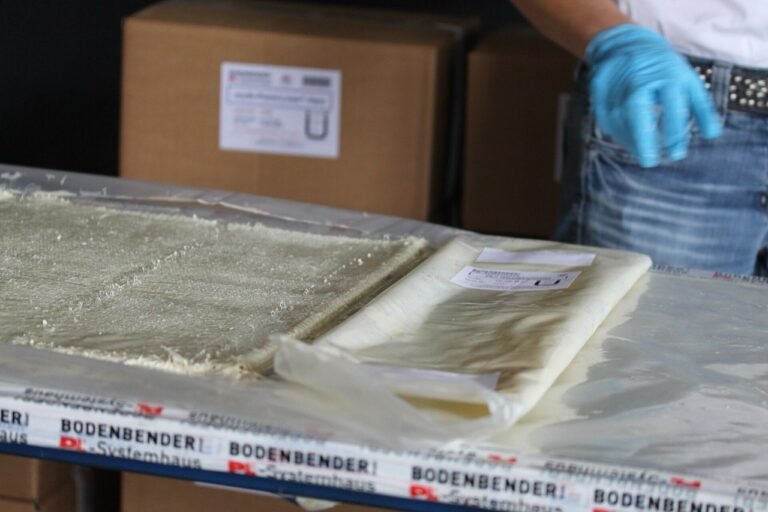
Sewer Pipe Lining
A new pipe cured inside the old one to seal cracks and root entry.
Learn more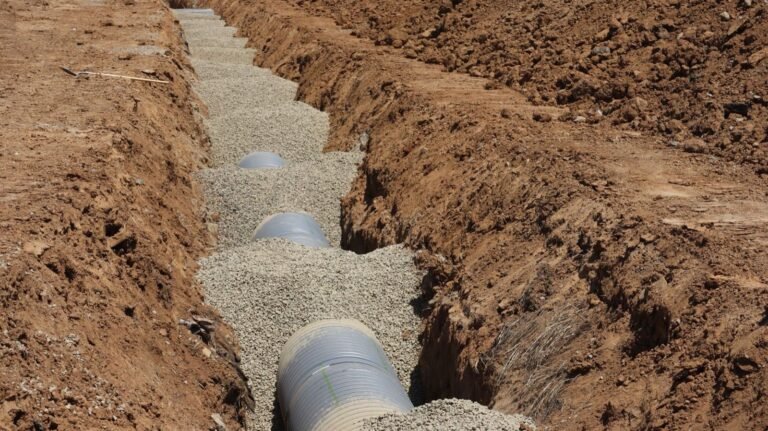
Sewer Line Replacement
Full or partial replacement, trenchless or excavated, with permits handled.
Learn morePhoto credits (Wikimedia Commons): Sewer Pipe Lining: Bdnbndr2020, CC BY-SA 4.0.
Sewer or water line trouble?
Call to book a camera inspection and find out whether pipe bursting will work on your line.
Camera inspection first, written and itemized quotes, and trenchless options where they fit.

Sewer and water line repair for Fort Collins, Loveland and Larimer County. Camera inspection first, written and itemized quotes, licensed sewer technicians.
Call (970) 999-1365