

How to Find Your Sewer Cleanout, Sewer Line and Water Line (Before You Dig)
Where to look for a sewer cleanout, what it looks like, how to trace a buried sewer or water line, and why 811 may not mark your private lines.
A sewer cleanout is a capped pipe, often 3 or 4 inches across, that opens straight into your main sewer line. Look outside along the foundation on the side facing the street, in the basement floor near where the main drain leaves the house, or near the property line. If it is buried or missing, a sewer camera with a locator can trace the line from inside the house and mark its route on the ground.
Call (970) 999-1365 to have your sewer line located and marked before you dig.
Call nowWhat does a sewer cleanout look like?
A cleanout is a short pipe that rises from the sewer line to the ground or the floor, closed with a threaded plug or cap. The plug usually has a square nub or a square socket so it can be turned with a wrench.
- Outdoor cleanout: a white or black plastic pipe standing a few inches out of the ground, cut flush with the soil, or set under a small round cover. Older homes may have a cast iron cleanout with a brass or iron plug.
- Two-way cleanout: two capped openings side by side, or one fitting with access in both directions, so the line can be cleared toward the house and toward the main.
- Indoor cleanout: a capped fitting near the bottom of the main stack, or a plug set into the basement floor, often near the wall that faces the street.
A cleanout is not the round lid near the sidewalk that covers a water meter or curb stop, and it is not a sprinkler valve box. If the cap you find says “water” or has a meter under it, keep looking.
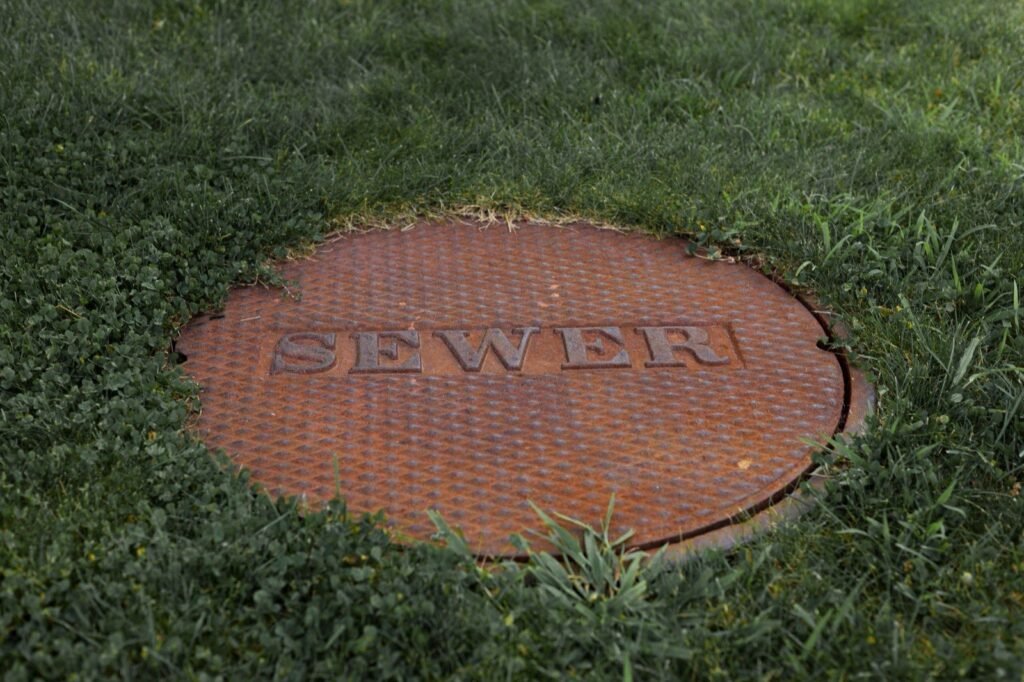
Where is my sewer cleanout?
Check these spots in order:
- Outside along the foundation, on the side of the house nearest the street, or nearest the alley if the sewer main runs there. Look in flower beds, behind shrubs, under decks and beside the front steps.
- In the basement or crawlspace, near the main stack (the largest vertical drain pipe) where it turns to leave the house, or in the floor near the front wall. Check utility rooms and behind access panels too.
- In the garage floor, in some homes built on a slab.
- Near the property line or the sidewalk, where some homes have a second cleanout on the run toward the main.
One more clue: the largest vent pipe on the roof usually sits above the main stack, and the sewer typically leaves the house on that side or the side facing the main.
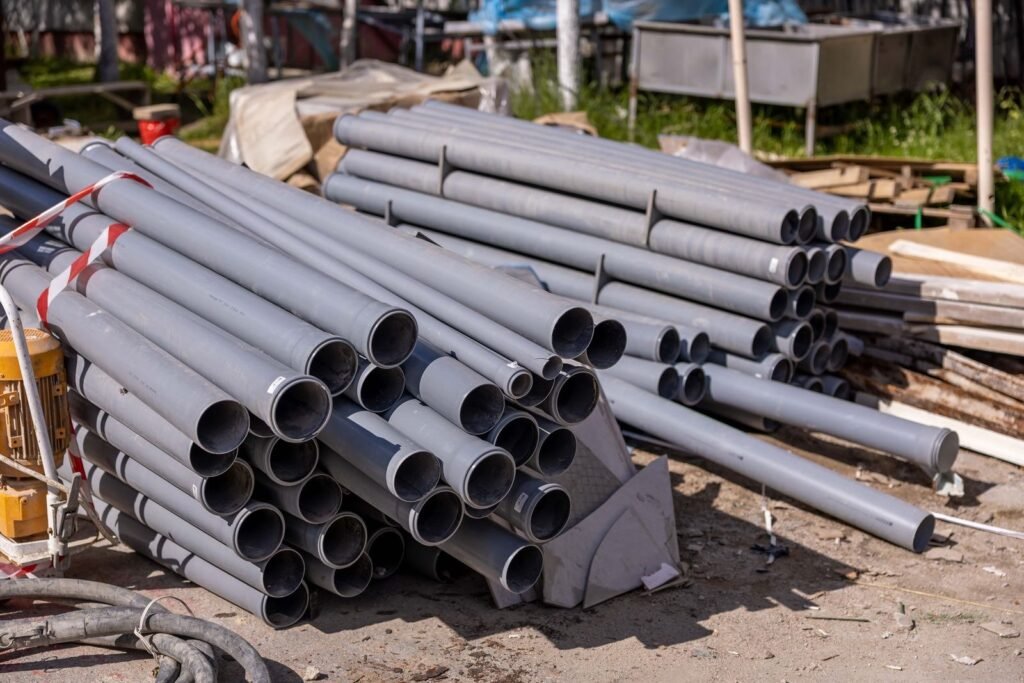
How to find a buried sewer cleanout
Cleanouts get buried under sod, mulch, rock or new landscaping, and some older homes never had an outdoor cleanout at all. Start by brushing back mulch and rock along the foundation by hand, and look for a small bump or a ring of different grass. A metal detector can sometimes find the metal plug on an older cleanout.
Anything more than brushing away mulch counts as digging, so call 811 first. Gas, power and communication lines often run close to the house.
When the cleanout cannot be found, a camera can. We push a camera with a locator transmitter in its head into the line from inside the house, through an indoor cleanout or a pulled toilet. A receiver on the surface follows the signal, so we can mark the line’s route and depth on the ground and show you exactly where a buried cleanout sits, or where a new one should go. Sewer camera inspection.
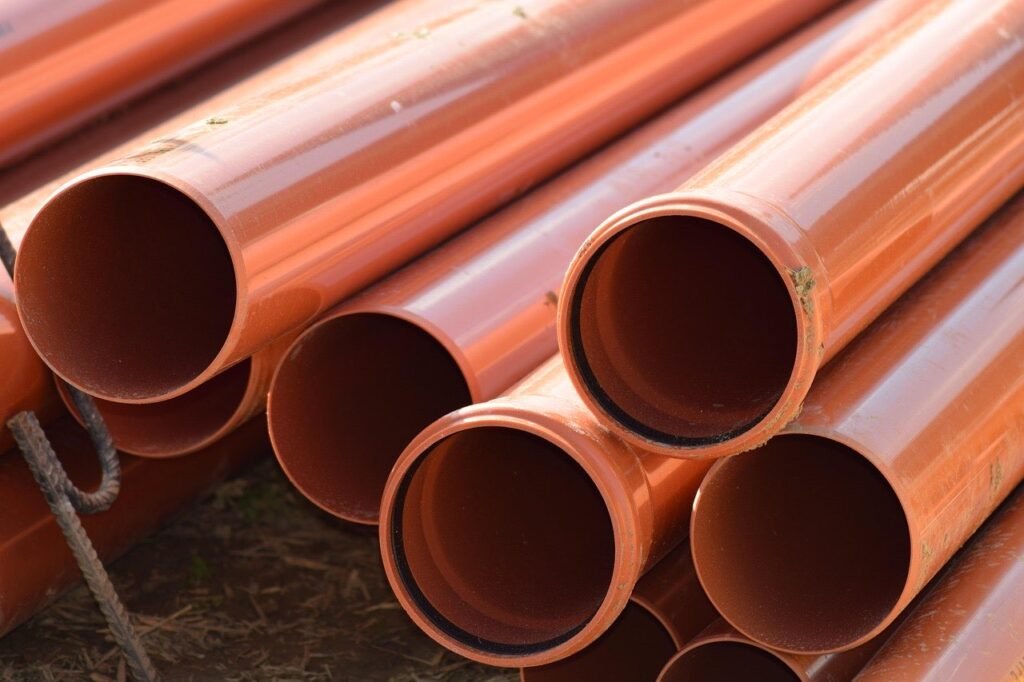
How to find your sewer line
Where is the main sewer line in a house?
Inside the house, the main sewer line starts as the main stack, the largest vertical drain pipe, which collects waste from every floor. At the lowest level it turns into the building drain and runs under the basement slab or through the crawlspace to the foundation wall. The spot where it leaves the house is usually on the side facing the main.
How the line runs outside
Outside, the building sewer (also called the lateral) usually runs fairly straight, sloping gently downhill from the foundation to the city or district main. The main usually runs under the street, though in some neighborhoods it runs down an alley or an easement behind the houses. Sewer manhole covers in the street or alley show where the main runs.
Surface clues help too: a cleanout near the foundation and another near the property line mark two points on the line, and patched pavement or a sunken strip of lawn can show where it was dug up before.
In Fort Collins, the owner maintains the sewer service line from the house to the city’s main in the street, including damage it causes. Knowing where it runs matters before you pour a patio, plant a tree or set fence posts over it.
How to locate underground water lines
Your water service line runs from the curb stop and meter to the house. In Fort Collins, Fort Collins Utilities maintains the main, the curb stop and the meter, and the owner is responsible for the service line from the curb stop to the house.
- Find the curb stop or meter. Look near the sidewalk or property line for a small round lid. In some homes the meter is inside instead, near where the line enters. Only Fort Collins Utilities staff may operate the curb stop, so look but do not turn it.
- Find where the line enters the house. The main shut-off valve is usually where the water line comes through the foundation or up through the floor, often in the basement on the street side.
- Connect the two, loosely. The line often runs fairly straight between them, but not always, so treat a straight line as a guess.
- Trace it with a locator. Copper and galvanized steel lines can be traced with a pipe locator that sends a signal along the metal. PEX, polyethylene and other plastic lines can only be traced that way if a tracer wire was buried with them; otherwise acoustic equipment, or careful exploratory digging after an 811 call, may be needed.
- Check the material. Fort Collins Utilities has an online galvanized service line lookup that shows whether a galvanized line is on record for your address. It tells you the material, not the route.
If you are tracing the line because of a leak, a wet spot or low pressure, see water line repair. Wondering how deep these lines sit? See how deep lines are buried in Northern Colorado.

Does 811 mark sewer and water lines?
Call 811 before any digging, even with a shovel. 811 notifies the utilities that own buried lines in the area, and each one marks its own facilities.
Lines you own are a different story. Private lines, such as the sewer service line and the water service line from the curb stop to the house, are often not marked, and neither are sprinkler lines, landscape lighting or a power or gas line to a detached garage or grill. Ask about your private lines when you place the request, and assume they are there until someone has located them. On our jobs, we request the 811 locates and trace the sewer line with the camera before any digging starts.
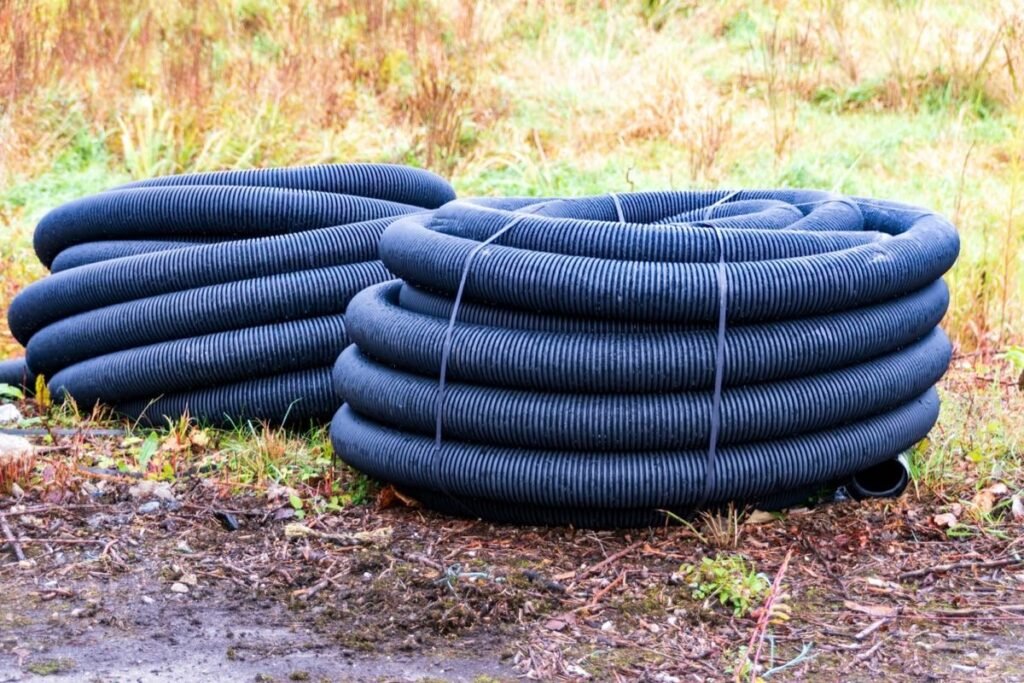
No cleanout? Adding one
If your house has no outdoor cleanout, adding one is worth considering, especially if the line has needed clearing before. It gives direct access for camera inspections and clearing without pulling a toilet or working through the house. A cleanout is often added during another repair, while the line is already exposed.
Installing one means digging down to the line and cutting in a fitting, often a two-way cleanout near the foundation. It is usually permitted work, and we pull the permit where one is required. Every job is done by licensed sewer technicians and covered by liability insurance. Sewer cleanout installation.
A cleanout is also where a main line clog gets cleared. See our guide to clearing a main sewer line clog.
Opening a cleanout safely
- Check the drains first. If they are backed up, sewage may be pressing against the cap. Loosen it slowly, stand to the side and expect it to flow out.
- Wear gloves and eye protection.
- Watch for sewer gas. It can escape when the cap comes off, so ventilate indoor spaces and keep flames and sparks away.
- Never pour drain chemicals into a cleanout, and never mix drain chemicals.
- Put the cap back tightly to keep gas and odors out of the house.
For help with a damaged or failing line, see our guide to sewer line repair in Fort Collins.
Finding your cleanout and lines FAQ
What does a sewer cleanout look like?
A capped pipe, often 3 or 4 inches across, with a threaded plug. Outside it is usually white or black plastic near the foundation; older homes may have a cast iron cleanout, and indoor cleanouts sit near the main stack or in the basement floor.
Where is the sewer cleanout usually located?
Most often outside along the foundation on the side facing the street, in the basement near where the main drain leaves the house, or near the property line.
What if I cannot find my sewer cleanout?
It may be buried under landscaping, or the house may never have had one. A camera with a locator can trace the line from inside the house and mark where a cleanout is or should go.
Does 811 mark my sewer line?
Often not. 811 notifies the utilities that own buried lines, and private service lines are often not marked, so ask when you place the request.
How do I find my underground water line?
Find the curb stop or meter near the street and the shut-off where the line enters the house; the line usually runs between them. Metal lines can be traced with a pipe locator, and plastic lines only if a tracer wire was buried with them.
Keep reading
Related guides
Frozen Water Line? How Deep Lines Are Buried in Northern Colorado and How to Thaw Them Safely
Thaw a frozen pipe safely: open the faucet, use gentle heat, never a flame. Plus burial depths, the frost line and when to call for help.
Read guide
Does Homeowners Insurance Cover Sewer Line Replacement or a Sewer Backup?
Usually not for a worn-out pipe. What standard policies exclude, what water backup and service line endorsements cover, and how to support a claim.
Read guide
How to Clear a Main Sewer Line Clog (and When to Call a Pro)
Signs the clog is in your main sewer line, how to open the cleanout and snake it safely, what not to pour down it, and when to call a pro.
Read guideSewer or water line trouble?
Call to have your sewer line traced, marked and inspected.
Camera inspection first, written and itemized quotes, and trenchless options where they fit.

Sewer and water line repair for Fort Collins, Loveland and Larimer County. Camera inspection first, written and itemized quotes, licensed sewer technicians.
Call (970) 999-1365