
Sewer Cleanout Installation & Repair in Fort Collins
A working cleanout makes every future clog, cleaning and camera inspection faster and cheaper.
- Camera inspection first
- Written, itemized quotes
- Licensed and insured
A sewer cleanout is a capped access pipe into your main sewer line, and it is how a cable, a jetter or a camera reaches the line without pulling a toilet. Fort Collins Sewer Line Repair installs, repairs, raises and replaces sewer cleanouts and cleanout caps in Fort Collins, Loveland and Larimer County, and we add a cleanout during other sewer repairs when a home has none. A good outdoor cleanout makes every future clog, cleaning and camera inspection simpler, and usually less expensive.
Call (970) 999-1365 to add, repair or replace a sewer cleanout.
Call nowChoose your area
Local rules on who owns the line, permits and inspections differ by town. Pick yours:
What is a sewer cleanout?
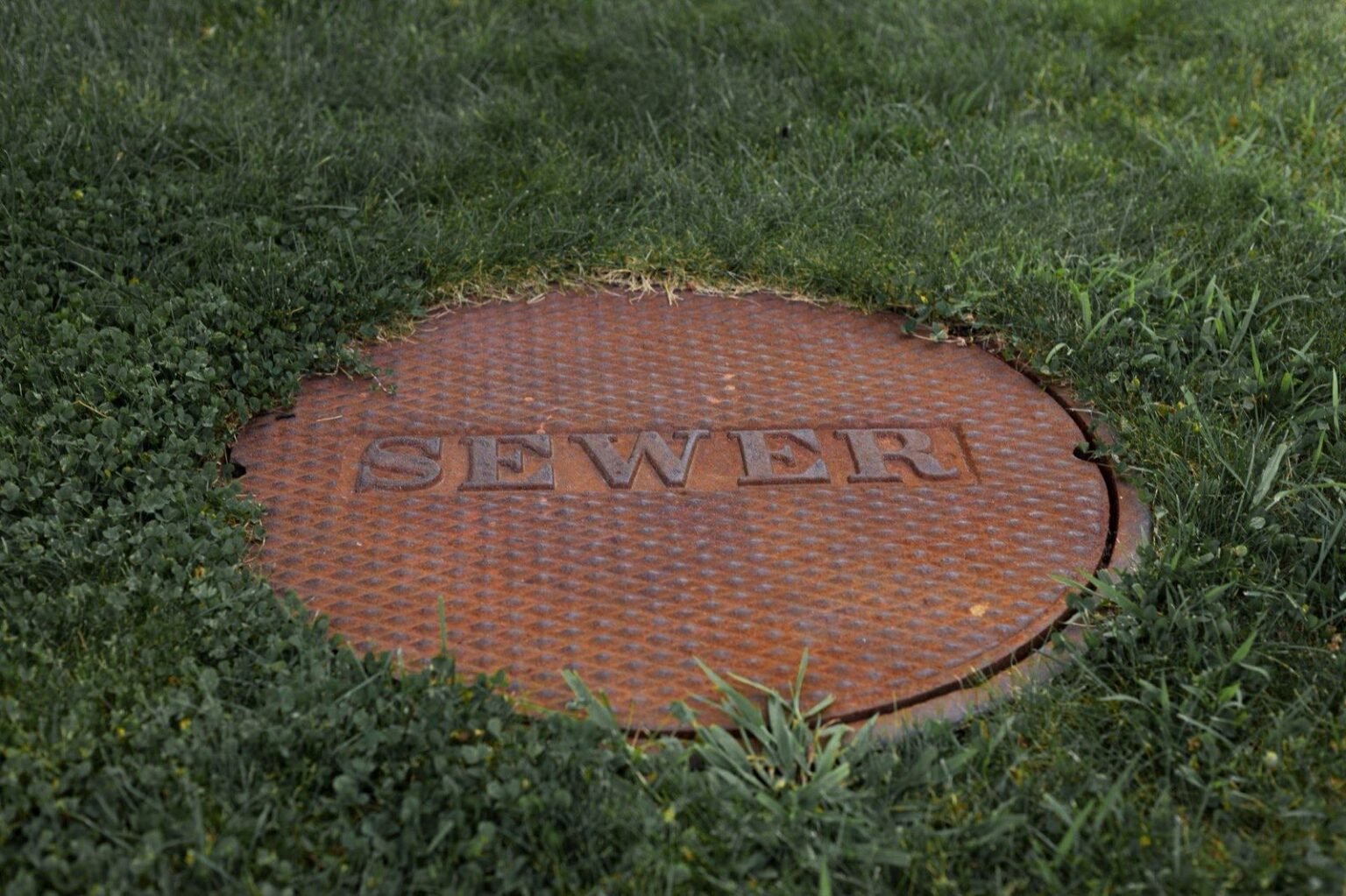
A cleanout is a fitting on the building sewer, the pipe that carries everything from the house to the main in the street, with a removable cap or plug on top. Outside, it usually looks like a short white or black plastic pipe, or an older cast iron one, standing just above the soil near the foundation with a threaded cap or a square-headed plug. Inside, it is often a plug in a fitting on the basement floor or low on the wall where the main drain leaves the house.
Why it saves money on every future clog:
- Clearing is quicker. A cable or jetting hose goes straight down the line, with no toilet to pull and reset.
- The camera sees the whole line. From an outdoor cleanout, a camera can usually travel all the way to the main.
- Backups can be relieved outside, rather than through a basement floor drain.
Where is my sewer cleanout?
Cleanouts usually turn up in one of these places:
- Outside near the foundation, where the sewer leaves the house, often on the side facing the street
- The basement floor, or low on a basement wall near where the main drain exits
- A crawlspace, close to where the line passes through the foundation
- The garage, on the floor or low on a wall
- The yard, nearer the street, on some lots
Many older homes have only an interior cleanout or none at all, and plenty of outdoor cleanouts have disappeared under sod, mulch, a deck or new concrete. Our guide on how to find your sewer cleanout and sewer line walks through the search. Call 811 before you dig for a buried one. If you cannot find it, we locate the line with the transmitter in our camera head and tell you whether to raise the old cleanout or add a new one.

One-way vs. two-way cleanouts

| One-way cleanout | Two-way cleanout | |
|---|---|---|
| Openings | One riser, angled in one direction | Two openings, one facing each direction |
| Access | Usually downstream, toward the street | Toward the street and back toward the house |
| Good for | Clogs between the cleanout and the main | Clearing and camera work in both directions |
A one-way cleanout aimed at the street cannot reach a clog between the cleanout and the house, so that work goes back through a toilet or an interior drain. A two-way cleanout solves that, which makes it a common choice when a cleanout is added outside the foundation. The fitting matters too: a wye or combination fitting lets a cable turn smoothly into the line instead of hitting a hard corner.
Signs your cleanout needs repair
- Water or sewage at the cleanout, which means a blockage downstream. See the steps below.
- A cracked, loose or missing cap, which lets dirt, rainwater and small animals into the line.
- Sewer smell near the cleanout, often from a cap that no longer seals or a cracked riser. Sewer gas can contain hydrogen sulfide and flammable methane.
- Mower, trimmer or vehicle damage. A riser snapped at ground level can also crack below the surface.
- Roots around the riser, which can work into a cracked fitting.
- A buried or paved-over cleanout that no one can reach when the line backs up.
- A seized plug. Old brass plugs in cast iron fittings often corrode in place. Do not heat one with a torch or hammer on the cast iron, which can crack.
How sewer cleanout installation works
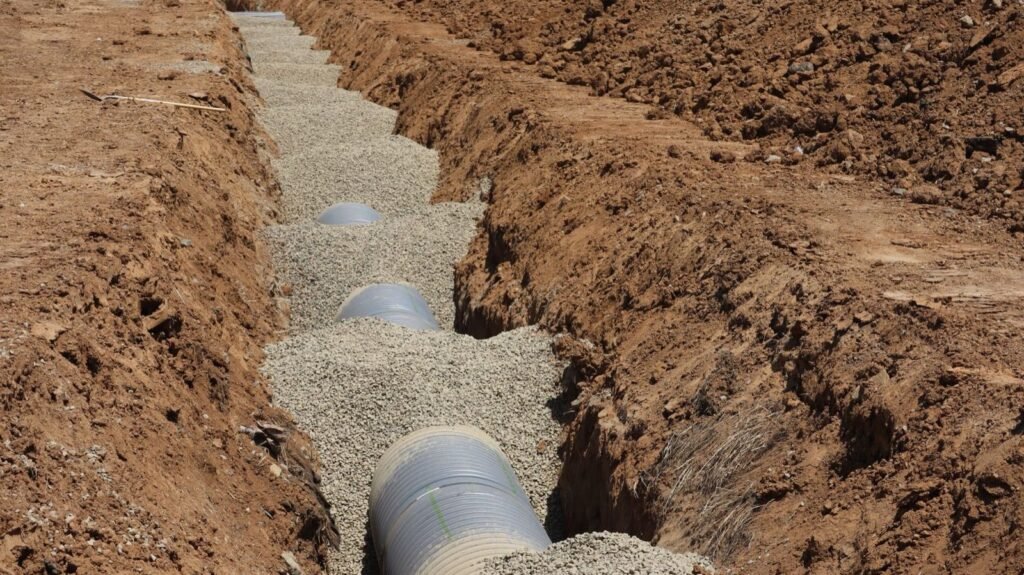
- Locate the line. A camera inspection with a transmitter marks the route and depth, so the dig lands on the pipe, usually just outside the foundation.
- Permit and 811. We pull the permit where one is required and request 811 locates for gas, electric and communication lines. Colorado 811 typically does not mark private sewer lines, which is why we find yours with the camera.
- Excavate to the line, digging by hand near marked utilities.
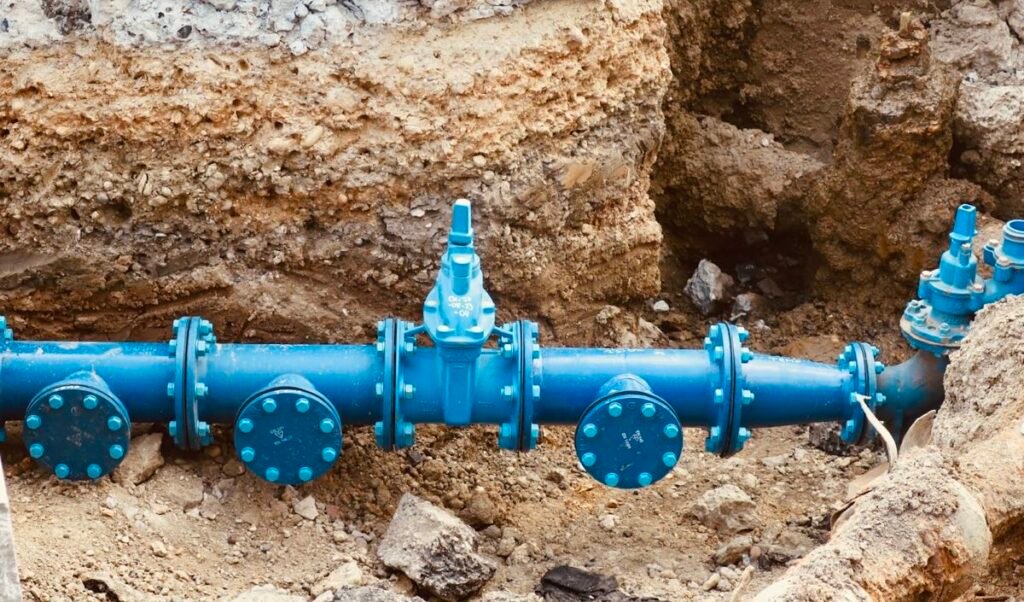
- Cut in the fitting. A section of pipe is removed and replaced with a wye, combination or two-way fitting, joined with shielded couplings made for the pipe, whether clay, cast iron, ABS or SDR 35 PVC.
- Riser to grade. A PVC riser brings the opening up to finished grade with a threaded cap, or a traffic-rated cover in a driveway.
- Test, inspect and backfill. We run water and a camera through the new cleanout, the inspector checks the work where required, and the pit is backfilled, compacted and restored.
If the pipe at the cut turns out to be cracked, offset or Orangeburg, a short section is replaced at the same time, so the new fitting joins sound pipe on both sides.
Cleanout repair, raising and cap replacement
Not every cleanout problem needs a new fitting:
- Cap replacement. A cracked or missing cap gets a matching threaded cap or a gripping expansion plug.
- Seized plug or cracked fitting. We cut out the damaged fitting and replace it.
- Broken riser. We dig below the break, replace the riser and recouple it.
- Raising a buried cleanout. An extension brings it back to grade, with a cover box in a lawn or walkway.
- Adding outside access to a home that only has a basement plug.
Adding a cleanout makes the most sense while the line is open anyway, during a spot repair or sewer line replacement, or before sewer line cleaning that would otherwise go through a pulled toilet. For everything else on the line, see our page on sewer line repair in Fort Collins.
What a sewer cleanout costs
A few things decide the price:
- Depth. Larimer County requires at least 30 inches of frost protection for foundations, and buried sewer lines need protection from frost too, so cleanout digs here are rarely shallow.
- What is on top. Lawn is quick to restore. Concrete, pavers, landscaping and sprinkler lines are not.
- One-way or two-way, inside or outside.
- Pipe material and condition. Cast iron and clay need specific couplings, and damaged pipe at the cut is replaced.
- Permits. A Fort Collins plumbing permit is $65 plus sales tax on the project valuation.
We price the job after locating the line, in a written, itemized quote, before any digging starts.

Permits for cleanout work
In Fort Collins, clearing a stoppage is exempt from a plumbing permit, but replacing concealed pipe is new work that needs one, and cutting a new fitting into a buried line typically falls on that side. Rules differ in Loveland and the other towns. Windsor, for example, requires service providers to notify the town of any work in the sanitary sewer. We confirm the rules for your address, pull the permit, request the 811 locates and schedule the inspection.
Cleanouts on rural septic lines
Outside town sewer service, the cleanout sits on the pipe between the house and the septic tank. Larimer County’s septic specifications call for that pipe to be at least 4-inch SDR 35, buried at least 12 inches, at a slope of at least 1%, with cleanouts within 5 feet of the building and every 100 feet. The Larimer County Department of Health and Environment handles septic permits, and we check with the department whether your repair needs one. Septic line repair.
What to do when a cleanout overflows
- Stop using water in the house, so nothing more goes down the line.
- Keep people and pets away from the sewage, and do not try to force the cap back on while it is flowing.
- Call your utility to check the main. In Fort Collins, that is Fort Collins Utilities at 970-221-6700.
- Call us if the main is clear. Active sewage backups are scheduled first. More on emergency sewer repair.
Once the flow stops, our guide on clearing a main sewer line clog covers what a homeowner can safely try.
Sewer cleanout FAQ
What does a sewer cleanout look like?
Outside, it is usually a short white or black plastic pipe, or an older cast iron one, near the foundation with a threaded cap or square plug. Inside, look for a capped fitting on the basement floor or low on the wall where the main drain leaves the house.
Do I need a sewer cleanout?
If your home has no accessible cleanout, adding one is worth considering. Without it, every clog and camera inspection goes through a pulled toilet or a small interior drain, which takes longer and cannot always reach the whole line.
Why is my sewer cleanout overflowing?
Something is blocking the line downstream, between the cleanout and the main or in the main itself. Stop using water, call your utility to check the main (970-221-6700 in Fort Collins), then call us at (970) 999-1365.
What is a two-way cleanout?
A cleanout with two openings, one facing the street and one facing the house, so a cable or camera can go in either direction.
How much does it cost to install a sewer cleanout?
It depends on the depth of the line, what sits on top of it, the pipe material and whether you choose a one-way or two-way fitting. Adding one during other sewer work usually costs less, and you get a written, itemized quote before any digging.

Sewer or water line trouble?
Call to install, repair or raise a sewer cleanout.
Camera inspection first, written and itemized quotes, and trenchless options where they fit.

Sewer and water line repair for Fort Collins, Loveland and Larimer County. Camera inspection first, written and itemized quotes, licensed sewer technicians.
Call (970) 999-1365