
Sewer Line Belly: What It Is, Signs, and How It’s Fixed
A sewer line belly is a sag where water and waste sit. Learn the signs, why lining cannot fix it, and when a sag needs digging up and re-laying.
A belly in a sewer line is a section of pipe that has sunk lower than the pipe on either side of it. Instead of draining downhill to the main, water and waste sit in the low spot, solids settle out, and the result is slow drains, repeat clogs and eventually backups. A camera inspection confirms and measures a belly, and the fix ranges from routine cleaning for a minor sag to digging up and re-laying the section, because pipe lining cannot correct a sag.
Call (970) 999-1365 to book a camera inspection and find out how serious the sag is.
Call nowWhat is a belly in a sewer line?
Your sewer service line, also called the building sewer or lateral, carries everything from the house to the main. It works by gravity, so it has to slope downhill the whole way. A stretch that dips below that slope is a belly, also called a sag or low spot.
Water fills the dip and stays after every flush. Paper, food scraps and grease drop out of the slow-moving water and pile up until the pipe is partly or fully blocked.
A belly is a problem of shape, not necessarily of broken pipe, which is why it often gets missed. Any material can sag: PVC in a new subdivision, or vitrified clay and cast iron in an older neighborhood, where a sag often comes with offset joints at either end.
What causes a sewer line to sag?
Four causes come up again and again in Northern Colorado.
Poorly compacted trench backfill
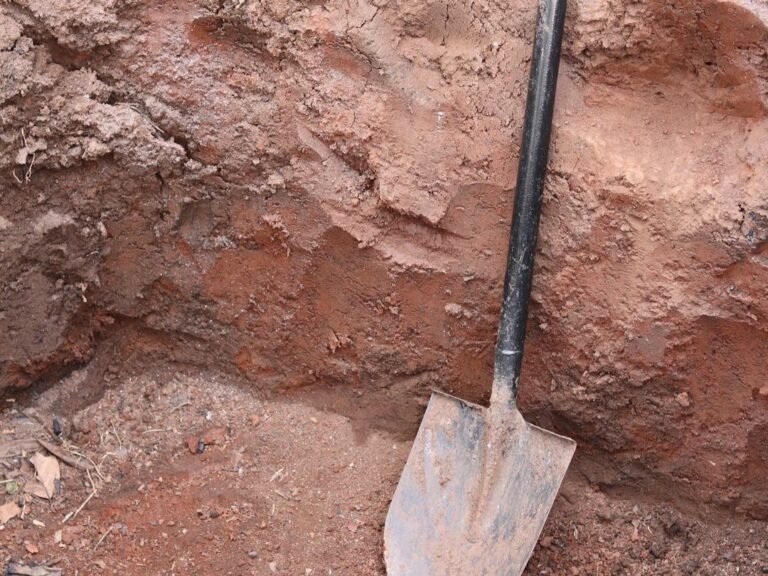
A sewer line should sit on firm, even bedding with compacted backfill around it. If the trench was filled loosely, the soil keeps settling after the work is done and carries the pipe down with it. This is the most common cause of bellies in newer lines.
Expansive soil
The Colorado Geological Survey calls expansive soil Colorado’s most significant geologic hazard, lists damage to pipelines and sewer lines among its effects, and says about 10% of new homes built on expansive soils suffer significant damage. Clay that swells when wet and shrinks when dry can push a pipe out of grade or pull a joint apart.
Freeze-thaw and leaking joints
Colorado’s freeze-thaw cycles and dry, clay-rich soils keep the ground moving, and Larimer County requires foundations to have at least 30 inches of frost protection below grade. A leaking joint adds to the problem by washing soil out from under the pipe, leaving a void the pipe slowly settles into.
Settling in newer subdivisions
The fastest-growing towns we serve have the youngest lines and the freshest trenches. In Timnath, 85% of homes were built in 2010 or later (median year built 2016), and in Severance 69% were (median 2014), according to the U.S. Census Bureau’s ACS 2024 5-year estimates. Young lines are usually PVC, which resists roots and corrosion, so settled backfill is the more typical problem there. Sewer line repair in Timnath.
Signs your sewer line has a belly
- Slow drains throughout the house, especially basement showers, floor drains and toilets.
- Clogs that come back within weeks or months of snaking.
- Gurgling toilets when the washer drains or a tub empties.
- Backups after heavy use, such as laundry day.
These signs overlap with roots, grease and broken pipe. The sign specific to a belly only shows on camera: water standing in a section of pipe after the flow stops.
How a camera inspection finds and measures a belly
We feed a waterproof camera through a cleanout or a pulled toilet and push it to the main while we record. Running water down the line first fills any low spot, so a belly shows up as a pool the camera has to push through.
- Length. The footage counter shows the distance to each end of the standing water.
- Depth. A thin film along the bottom is a minor sag. Water covering most of the pipe opening, or a lens that goes underwater, means a severe one.
- Location. A locator in the camera head lets us mark the spot and its depth on the ground, so any digging is a targeted hole, not a trench.
- Everything else. Offset joints, cracks, roots and debris near the sag all change the repair.
You get the video and a written summary. National cost guides put a sewer camera inspection at about $100 to $500 (This Old House, 2026). More about sewer camera inspections.
How a sewer belly is fixed
The camera footage decides between three realistic fixes.
Maintenance cleaning for a minor sag
A shallow sag in otherwise sound pipe can often be managed rather than dug up. Hydro jetting scours out the solids that collect in the low spot, while a cable machine (snake) mostly punches a hole through and leaves debris behind. Angi puts hydro jetting at about $475 on average, with most homeowners paying $350 to $600. Regular cleaning keeps a minor belly from becoming a backup, but it does not change the pipe’s shape.
Skip chemical drain openers. They do not remove a belly, they can pool in the low spot and splash back when the line is opened, and they should never be mixed.
Excavating and re-bedding the section
For a belly that keeps causing clogs, the reliable fix is to dig at the spot the locator marked, remove the sagging pipe and rebuild what is under it: firm, compacted bedding, new pipe (usually PVC) at the correct slope, couplings into the existing line, and backfill compacted in layers so it does not settle again. A final camera run confirms the water drains through.
In Fort Collins, replacing concealed pipe counts as new work under a plumbing permit, which costs $65 plus sales tax on the project valuation. We pull the permits, request the 811 locates and schedule the inspections.
Replacing the line
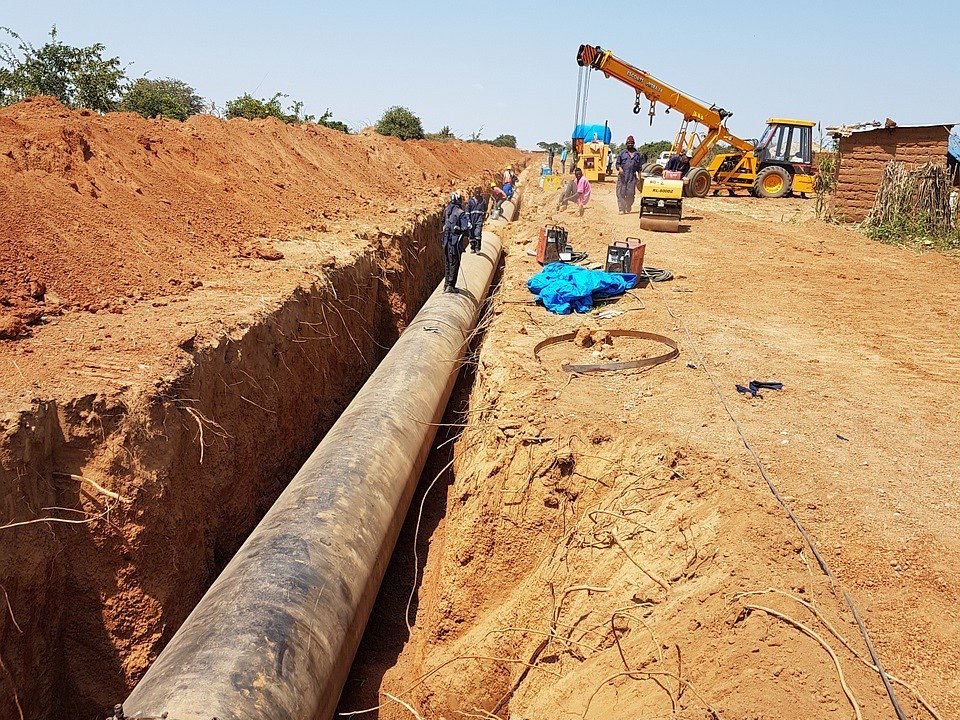
When the camera shows several bellies, or a sag in an old clay, cast iron or Orangeburg line that is failing elsewhere too, re-laying one section just moves the problem along. A replacement, by open trench wherever the grade has to be corrected, is worth pricing against repeated repairs. Sewer line replacement options.
Can trenchless sewer repair fix a belly?
Pipe lining cannot. A cured-in-place liner hardens against the walls of the old pipe, so it takes the shape of the pipe it lines, and a sag stays a sag. That is why our trenchless sewer repair page lists significant sags among the problems lining will not fix.
Pipe bursting might help, with no promise. Bursting pulls new HDPE pipe through the old line, breaking the old pipe outward as it goes. The bursting head generally follows the old path, so the new pipe can end up in the same low spot. On a shallow sag it may come out with better grade, but nobody can know that in advance.
A combination often works: re-lay the sagging section at the right slope and line the rest, if it holds its shape. See trenchless vs. traditional sewer replacement for a fuller comparison.
Does a sewer line belly need to be replaced?
Not always. A minor belly that holds a little water and causes no clogs may never need digging.
| Minor belly | Severe belly | |
|---|---|---|
| Standing water on camera | A thin film along the bottom | Covers most of the pipe opening |
| Symptoms | Occasional slow drains, or none | Repeat clogs and backups |
| Pipe condition | Sound, with tight joints | Often offset joints or cracks nearby |
| Usual approach | Watch it and clean it on a schedule | Excavate and re-lay, or replace the line |
A borderline case tips toward repair when clogs return soon after cleaning, before a sale, or before a driveway or patio goes in over the line.
New home? Check the builder warranty first
If your home may still be under a builder’s warranty, read what it covers before paying for a sewer repair. Bellies in young subdivisions often trace back to trench backfill, so depending on the warranty’s terms, the repair may fall to the builder. Report the problem in writing and keep the camera video as evidence.
Buying a resale home in a newer subdivision? Book a sewer scope during the inspection period, since a belly is invisible from the yard.
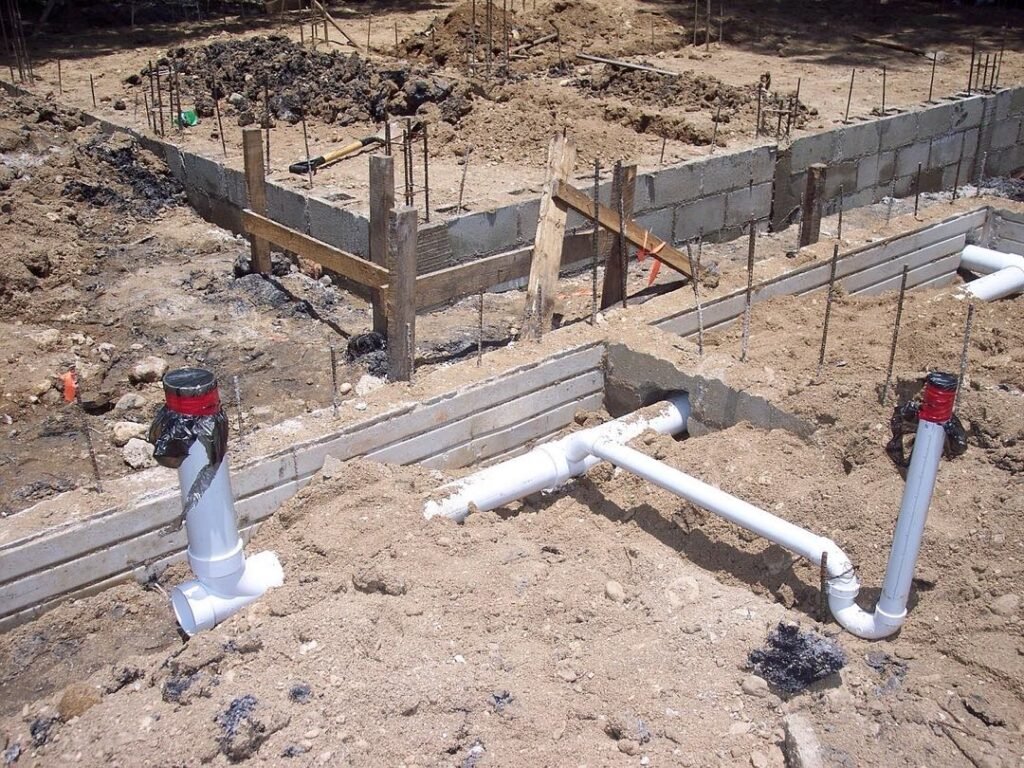
What it costs to fix a sewer line belly
National figures from This Old House’s 2026 sewer line replacement guide, based on Angi data, give a sense of scale:
- Camera inspection: about $100 to $500
- Excavation: about $400 to $1,200 or more, or about $50 to $200 per foot for excavated replacement
- Full replacement: about $3,320 on average; most homeowners pay $1,390 to $5,320
- Permits: about $100 to $1,000 nationally; in Fort Collins, $65 plus sales tax on the project valuation
A belly under open lawn costs far less to fix than one under a driveway, a mature tree or the street. Every job is done by licensed sewer technicians and covered by liability insurance, with a written, itemized quote after the camera inspection. For more on causes, methods and costs, see our guide to sewer line repair in Fort Collins.

Sewer line belly FAQ
What is a belly in a sewer line?
A belly is a section of sewer pipe that has sunk below the slope of the pipe around it. Water and waste collect in the low spot instead of draining to the main, which leads to slow drains and repeat clogs.
Can trenchless sewer repair fix a belly?
Lining cannot, because the liner follows the shape of the old pipe. Pipe bursting may improve a shallow sag but cannot be relied on, so the dependable fix is excavating and re-laying that section at the right slope.
Does a sewer line belly need to be replaced?
Not always. A minor sag that causes no clogs can often be watched and cleaned on a schedule, while a belly that causes repeat clogs or backups usually needs the section dug up and re-laid.
How do I know if my sewer line has a belly?
Slow drains throughout the house, gurgling and clogs that return soon after clearing are the usual signs. Only a camera confirms it, by showing water standing in a section of pipe.
Keep reading
Related guides
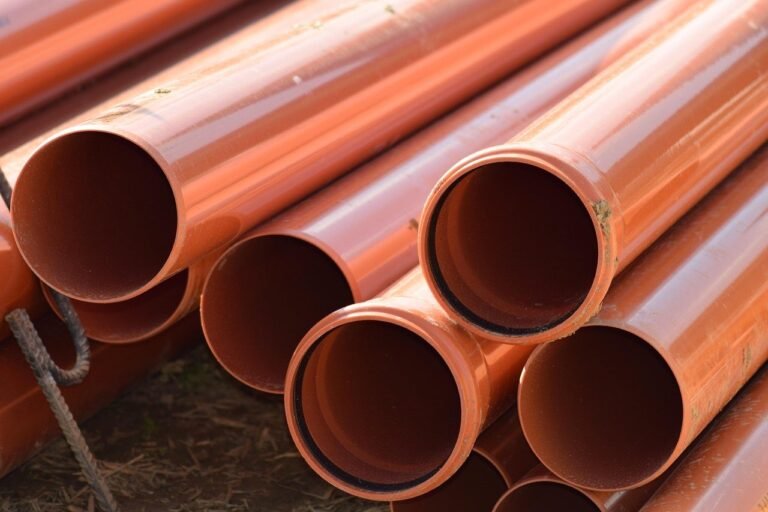
Clay, Cast Iron, Orangeburg or PVC: What Your Sewer Pipe Is Made Of and How Long It Lasts
Clay, cast iron, Orangeburg or PVC? How to tell what your sewer pipe is made of, how long each typically lasts, and your repair options.
Read guide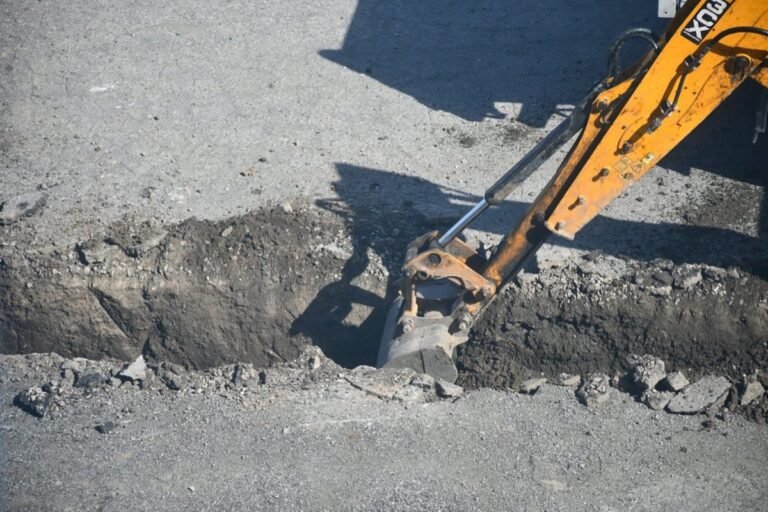
Who Is Responsible for the Sewer Line: You or the City?
In Fort Collins, Loveland and nearby towns, the owner usually maintains the sewer line up to the main. Town-by-town rules, backups and permits.
Read guide
Frozen Water Line? How Deep Lines Are Buried in Northern Colorado and How to Thaw Them Safely
Thaw a frozen pipe safely: open the faucet, use gentle heat, never a flame. Plus burial depths, the frost line and when to call for help.
Read guideSewer or water line trouble?
Call for a camera inspection and a written, itemized quote.
Camera inspection first, written and itemized quotes, and trenchless options where they fit.

Sewer and water line repair for Fort Collins, Loveland and Larimer County. Camera inspection first, written and itemized quotes, licensed sewer technicians.
Call (970) 999-1365