
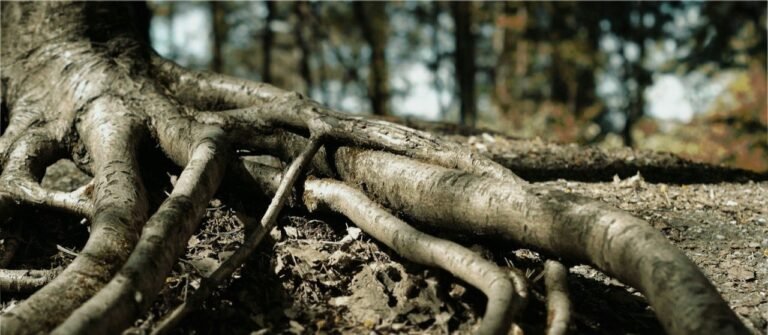
Tree Roots in Your Sewer Line: What Dissolves Them and What Actually Works
Copper sulfate and foaming root killers slow regrowth but do not fix the cracked pipe. What works for roots in sewer lines, and what it costs.
Nothing you pour down a drain truly dissolves a mass of tree roots. Copper sulfate and foaming root killers kill the roots they reach and slow regrowth, and a cable machine or hydro jetter cuts roots out, but none of these repairs the cracked or separated joints the roots came through. The lasting fix is to seal or replace that pipe with lining, a spot repair, a new PVC line or pipe bursting.
Call (970) 999-1365 to have roots cleared and your line checked with a camera.
Call nowWhat dissolves tree roots in sewer lines?
| Option | What it does | How long it helps |
|---|---|---|
| Copper sulfate | Slowly kills the roots it contacts | Temporary; roots regrow through the same joints |
| Foaming root killer | Herbicide foam coats roots around the whole pipe | Temporary; labels typically call for repeat treatments |
| Cable machine root cutting | Cuts a path through the root mass | Until the roots grow back |
| Hydro jetting | Cuts and flushes roots from the full pipe wall | Longer than cutting alone, but still temporary |
| Lining, spot repair, replacement or pipe bursting | Seals or replaces the joints roots enter | Permanent for the repaired section |
Chemicals and cutting manage roots. Repairing the pipe ends the problem.
Why tree roots get into sewer lines
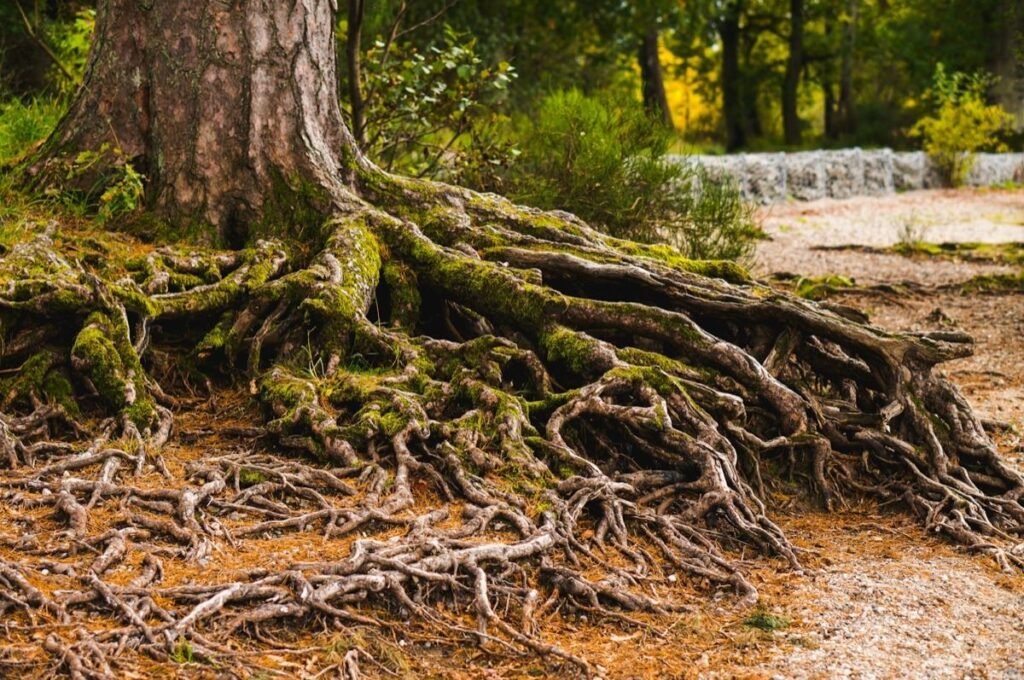
Roots grow toward moisture and nutrients, and a sewer joint that leaks even slightly offers both. In Northern Colorado’s dry soils, a leaking joint may be the most reliable water source around. Fine roots slip into a hairline crack or gap, then thicken into a mat that catches paper and grease.
- Clay and other older joints. Vitrified clay pipe comes in short sections, and its joints open up with age and ground movement. Cast iron joints and Orangeburg fiber pipe, commonly installed from the 1940s to the early 1970s, are vulnerable too.
- Cracks and separated joints. Colorado’s freeze-thaw cycles and dry, clay-rich soils move pipe. The Colorado Geological Survey calls expansive soil Colorado’s most significant geologic hazard and lists sewer lines among the things it damages.
- Older housing. About 31% of Fort Collins homes were built before 1980 and 9% before 1960. In Loveland the figures are 34% and 11% (U.S. Census Bureau, ACS 2024 5-year estimates). Many of those homes still have original clay or cast iron lines.
- Mature street trees. Older neighborhoods have the biggest trees, often planted along the street near the line’s path to the main.
PVC lines with tight glued or gasketed joints resist roots much better, which is why newer homes see root problems less often.
Signs of roots in your sewer line
- Several drains slowing down at once, especially the lowest ones
- Toilets that gurgle when other fixtures drain
- Clogs that return within weeks or months of being cleared
- A cable that comes back with roots wrapped around the cutter
- Large trees between the house and the street
A camera inspection confirms roots, shows how many joints are affected and reveals whether the pipe is cracked or broken. This Old House’s 2026 guide puts a camera inspection at $100 to $500. About sewer camera inspections.
Temporary fixes: cutting roots out
Mechanical cleaning removes the roots that are there now:
- Cable machine root cutting. A machine with a root-cutting head spins through the line and cuts a path through the root mass. It is the usual first step to relieve a backup, but it leaves root stubs on the pipe walls. About sewer line cleaning.
- Hydro jetting. High-pressure water through a root-cutting nozzle shears roots off the walls and flushes the debris to the main. It cleans more thoroughly than a cable, and it is the standard preparation before lining. We run a camera first, because high pressure can make broken or fiber pipe worse. About hydro jetting.
Either way, roots grow back through the same openings. If you want to try clearing a rooty line yourself, our guide to clearing a main sewer line clog covers safe snaking.
Do chemical root killers work?
They slow roots down, but they are maintenance, not a repair: neither type seals a crack, reconnects a separated joint or fixes a sag. Used as labeled, both are meant to kill roots inside the pipe, not the tree, and both work better right after the line is cleared.
Copper sulfate for roots in a sewer line
Copper sulfate crystals are flushed into the line as the label directs and kill the roots they touch. They work slowly and travel mostly with the water along the bottom of the pipe, so they may miss roots entering higher up in a joint. Copper can also harm aquatic life downstream of treatment plants, and some utilities restrict copper-based root killers.
Foaming root killer
Foaming products mix an herbicide, commonly dichlobenil, with a foaming agent. The foam expands to fill the pipe and coats roots at the top and sides as well as the bottom, so it tends to reach more of the root mass than crystals do. Labels typically call for repeat treatments, because roots regrow from the joint.
Using root killers safely
- Follow the label exactly, including the amount, the fixture to use, gloves and eye protection, and storage away from children and pets.
- Never mix a root killer with drain openers or other chemicals, or use one right after another product.
- Check local rules first. Ask your wastewater utility whether it restricts root control products.
- On a septic system, use only a product labeled for septic use and follow the dose closely. Some products and doses can upset the bacteria a septic tank relies on, and roots in a tank or drain field are a separate problem.
Permanent fixes for roots in a sewer pipe
To stop roots for good, the openings they use have to be sealed or replaced. The camera shows which method fits:
- Lining the joints (CIPP). A resin-saturated liner cures inside the old pipe and seals cracks and joints with little or no digging, and a point liner can seal a single bad joint. Lining suits rooty or cracked pipe that still holds its shape, and under mature trees it avoids digging through the root zone. About sewer pipe lining.
- Spot repair. One excavation replaces a damaged section with PVC, joined to the old pipe with shielded couplings. It is the cheapest structural fix when the rest of the line is healthy.
- Replacing the line with PVC. Open-trench replacement with PVC sewer pipe, commonly SDR-35, suits collapsed pipe, bellies or a line with many bad joints.
- Pipe bursting. A new pipe, typically HDPE with fused joints, is pulled through the old one as it breaks apart, between two access pits. It suits broken clay along a fairly straight run.
Pipe material affects how soon roots return, so see our guide to sewer pipe materials and how long they last.
What root removal and repair cost
| Item | Typical cost | Source |
|---|---|---|
| Hydro jetting | About $475 on average; most pay $350 to $600 | Angi |
| Camera inspection | $100 to $500 | This Old House, 2026 |
| Trenchless lining or bursting | $60 to $250 per foot | This Old House, 2026 |
| Replacement by excavation | $50 to $200 per foot | This Old House, 2026 |
| Full sewer line replacement | Average $3,320; most pay $1,390 to $5,320 | This Old House, 2026 |
Basic cable cutting typically costs less than jetting. In Fort Collins, clearing a stoppage needs no plumbing permit, but replacing concealed pipe does ($65 plus sales tax on the project valuation). We give a written, itemized quote after the camera inspection, and we pull the permits and request the 811 locates when a repair means digging. More on repair options: sewer line repair in Fort Collins.
Planting trees near sewer lines
You can protect a sewer line without giving up shade:
- Know where the line runs before you plant. A camera locator can mark the route, and calling 811 before you dig gets buried utilities marked.
- Keep large, thirsty trees well away from the line. Willows, poplars, cottonwoods and silver maples are commonly cited for aggressive roots.
- Choose smaller or slower-growing species near the line, and ask a local nursery or arborist which suit Northern Colorado.
- Check before cutting roots or removing a street tree. The city may manage trees along the street, and cutting large roots can weaken a tree.
Often the simpler answer is to seal or replace the damaged pipe and keep the tree.
Tree roots in sewer line FAQ
What dissolves tree roots in a sewer line?
Nothing truly dissolves a root mass. Copper sulfate and foaming root killers kill roots and slow regrowth, cable machines and hydro jetting cut them out, and lining or replacing the damaged pipe stops them coming back.
Does copper sulfate work for roots in a sewer line?
It can kill the roots it contacts, but it works slowly, mostly reaches the bottom of the pipe and does not fix the cracks roots grow through. Follow the label and check local rules, since some utilities restrict copper.
Is foaming root killer better than copper sulfate?
Foam fills the pipe and coats roots on all sides, so it tends to reach more of them. It is still a temporary treatment that has to be repeated.
How much does sewer root removal cost?
Angi puts hydro jetting at about $475 on average, with most people paying $350 to $600, and basic cable cutting typically costs less. This Old House puts a camera inspection at $100 to $500.
Will removing the tree stop roots in the sewer line?
Not necessarily. The cracked or open joints remain, and other trees’ roots can find them, so sealing or replacing the pipe is the lasting fix.
Can roots get into PVC sewer pipe?
Much less often. Roots can still enter through a separated joint, a crack, or the transition where new PVC meets old clay or cast iron.
Keep reading
Related guides
How to Clear a Main Sewer Line Clog (and When to Call a Pro)
Signs the clog is in your main sewer line, how to open the cleanout and snake it safely, what not to pour down it, and when to call a pro.
Read guide
What Causes Sewer Backups in a Basement (and How to Prevent Them)
Why sewage backs up through a basement floor drain: roots, grease, bellies, broken pipe or a city main blockage. How to fix and prevent it.
Read guide
Frozen Water Line? How Deep Lines Are Buried in Northern Colorado and How to Thaw Them Safely
Thaw a frozen pipe safely: open the faucet, use gentle heat, never a flame. Plus burial depths, the frost line and when to call for help.
Read guideSewer or water line trouble?
Call to clear roots from your sewer line and find out what it needs.
Camera inspection first, written and itemized quotes, and trenchless options where they fit.

Sewer and water line repair for Fort Collins, Loveland and Larimer County. Camera inspection first, written and itemized quotes, licensed sewer technicians.
Call (970) 999-1365